
 Low Online Discount Prices
 Fast Delivery
 Safe and Secure Online Checkout
Having low water pressure during the winter months can be frustrating and inconvenient, especially when you’re battling icy conditions outside and hoping for the comfort of warm, flowing water indoors. It’s a common issue faced by homeowners, and addressing it quickly is critical to maintaining the functionality of your household plumbing and preventing long-term damage.
This blog from Showers to You will guide you through understanding the root causes of winter-related water pressure drops, how to troubleshoot the problem step-by-step, and the preventive measures you can take to avoid future issues. Whether you’re a homeowner tackling these issues or a plumber helping clients, this post will equip you with practical tips and expert advice on dealing with low water pressure in winter.
Understanding the Causes of Low Water Pressure in Winter
How Winter Weather Affects Water Pressure
Winter is a challenging time for plumbing systems due to freezing temperatures and weather fluctuations. Here’s how the cold affects water pressure:
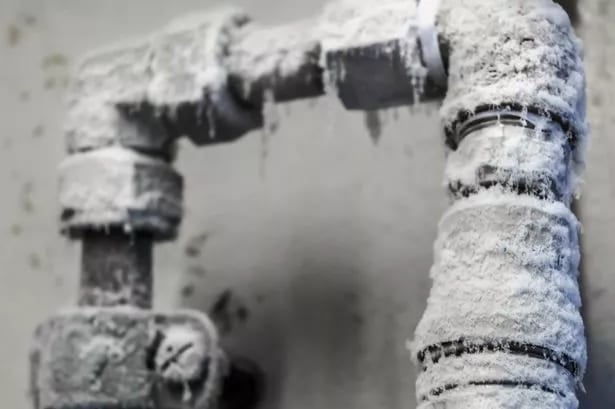
- Frozen Pipes: When temperatures plummet, water inside pipes can freeze and expand, partially or entirely obstructing water flow.
- Pressure Imbalances: Frost can put pressure on external water supply lines, reducing the incoming water flow to your kitchen tap, shower and bath.
- Sudden Demand Surges: During cold weather, more households may be using heating systems or hot water simultaneously, potentially affecting supply pressure in your area.
Common Household Factors Contributing to Low Pressure
Sometimes, the problem lies within your home’s plumbing rather than external factors. These are the most common contributors to low water pressure during winter:
- Clogged Pipes caused by mineral build-up.
- Partially Closed Valves are often overlooked after plumbing maintenance.
- Faulty Plumbing Fixtures, such as old taps or showerheads, may need replacement.
- Malfunctioning Water Heaters may work harder in winter but fail over time if not properly maintained.
Troubleshooting Techniques
Need help with poor water pressure? Use this guide to identify and address the issue.
Step-by-Step Guide to Identify the Root Cause
Inspect Problematic Fixtures
Is the low water pressure isolated to just one tap or shower? If yes, the problem may be with that specific fixture.
Check for Frozen Pipes
Examine exposed pipes, particularly in colder areas like basements, attics, and garages. Look for frost or bulging, which indicates freezing.
Assess Your Water Valve
Ensure the main valve controlling the water supply to your home is fully open. It might have been partially closed during maintenance or emergencies.
Test Both Hot and Cold Water
Low pressure in hot water only points towards an issue with the water heater. If both are affected, the cause might be elsewhere in your plumbing system.
Monitor Neighbourhood Pressure
Ask neighbours if they’re experiencing similar low water pressure. If so, the problem may be with your local water supplier.
DIY Fixes and When to Call a Professional Plumber
Quick DIY Fixes
- Thaw Frozen Pipes gently using a hairdryer or heat tape. Never use an open flame.
- Clean Blocked Fixtures by soaking showerheads or taps in vinegar to remove mineral build-up. We recommend reading our guide on How to Clean a Showerhead for further information.
- Open Valves fully to ensure unrestricted water flow.
When to Call a Professional
- If frozen pipes burst, causing leaks.
- If the source of a water pressure drop isn’t apparent after troubleshooting.
- For water heater repairs or replacements requiring expertise.
Preventive Measures to Avoid Low Water Pressure
Seasonal Maintenance Tips for Homeowners and Plumbers
- Insulate Exposed Pipes using foam, fibreglass, or heat tape to prevent freezing.
- Drain Outdoor Taps and disconnect hoses before the cold sets in.
- Regularly Maintain Water Heaters by flushing out sediment to ensure peak performance.
- Schedule Annual Plumbing Inspections to catch issues early before they escalate.
Further Reading
Check out our blog post, Dealing with Frozen Pipes in Winter: A Definitive Guide, for a more detailed guide on protecting your home’s plumbing system.
FAQ Section
Is It Normal for Water Pressure to Drop in Cold Weather?
Yes, it’s common for water pressure to drop in winter due to factors like freezing temperatures and increased water usage. Frozen pipes and external supply line issues can restrict water flow. Additionally, neighbourhood-wide demand for hot water during cold weather can temporarily lower pressure. However, if the drop is excessive or prolonged, you should inspect your plumbing system to identify the cause.
Why Is My Cold Water Pressure Very Low?
Low cold water pressure may indicate a blockage in your pipes or a partially closed valve. If this only happens to one fixture, it’s likely an issue with that specific tap or showerhead. However, if it affects the entire home, frozen pipes, a faulty pressure regulator, or problems with the main water supply line could be the culprit. Investigating early is the best way to prevent further complications.
Can Cold Pipes Cause Low Water Pressure?
Yes, cold pipes can lead to a significant drop in water pressure. When water inside pipes begins to freeze, the resulting ice obstruction restricts flow, reducing the pressure. Left unaddressed, freezing can lead to pipe bursts, causing water damage. Insulating your pipes before winter arrives is an effective preventative measure.
Can Boiler Pressure Drop in Cold Weather?
Boiler pressure can drop during winter due to cold temperatures affecting heating components. Overuse during this season can place stress on the boiler system, leading to minor leaks or malfunctioning pressure gauges. If you notice a persistent drop in pressure, consult a heating specialist to address the issue promptly.
Start Preparations Today to Avoid Low Water Pressure
Low water pressure is a common but manageable issue in winter. By understanding the causes, following troubleshooting steps, and adopting preventative measures, homeowners and plumbers can ensure smooth water flow all season long.
Remember, proactive maintenance is always better than dealing with emergencies. Insulating your pipes, maintaining your water heater, and scheduling a plumbing check-up can make a world of difference.
If you have persistent issues or need expert assistance, call your trusted local plumber to take care of the problem before it worsens. Stay prepared, address issues quickly, and enjoy uninterrupted comfort in your home this winter.