
 Low Online Discount Prices
 Fast Delivery
 Safe and Secure Online Checkout
In today’s world, our environmental choices have never been more critical. The items we flush down our toilets may seem trivial, but they have significant consequences for our plumbing systems and the environment. Proper waste disposal ensures a healthy home and a sustainable planet. This blog post from Showers to You will highlight 20 things you should never flush down the toilet and explain why avoiding them can prevent environmental and plumbing damage.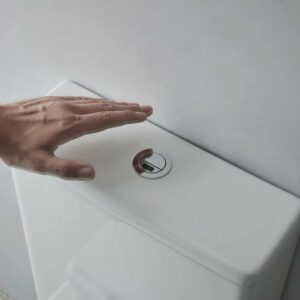
Why Avoid Flushing
Flushing inappropriate items can lead to severe plumbing issues, such as blockages and damaged sewage systems. These problems often result in expensive repairs and, in some cases, extensive property damage.
Many of these items end up in our waterways, causing environmental harm and threatening aquatic life (check out our World Environment Day blog for how our bathroom habits impact the planet). By being mindful of what we flush, we can contribute to a healthier ecosystem and reduce the strain on our plumbing infrastructure.
What should I never flush down the toilet?
- Baby Wipes
Even those labelled “flushable” do not break down like toilet paper. Baby wipes can clog pipes and sewage systems, leading to blockages that require professional intervention.
- Cotton Balls and Swabs
These items do not disintegrate in water. They accumulate in pipes, causing significant blockages over time. Cotton products can also trap other debris, expanding the blockage.
- Dental Floss
Though small, dental floss is non-biodegradable and can form large clumps in the sewage system. It entangles with hair and other waste, creating massive blockages that are difficult to remove.
- Feminine Hygiene Products
Tampons and sanitary pads absorb liquid and expand. When flushed, they can rapidly block pipes and sewage systems, causing backups and costly repairs.
- Paper Towels and Tissues
Unlike toilet paper, paper towels and tissues are designed to be more robust and do not dissolve quickly in water. Flushing these can result in clogs and damage to sewage treatment facilities. We have a dedicated guide on How to Unlock a Toilet if a blockage occurs.
- Nappies
The materials in nappies are intended to absorb moisture and expand. When flushed, they can cause immediate blockages in pipes due to their size and ability to swell.
- Condoms
Condoms are made of materials that do not break down easily. When flushed, they can cause clogs in piping systems and contribute to environmental pollution when they reach water bodies.
- Medications
Flushing medications can introduce harmful chemicals into waterways, affecting aquatic life and potentially contaminating drinking water sources.
- Cooking Grease and Oil
While they might be liquid when hot, grease and oil solidify upon cooling. This solidification can lead to significant blockages in plumbing systems, resulting in costly repairs.
- Hair
Hair clumps together and forms knots that can trap other debris. Over time, this can create substantial pipe blockages, preventing normal water flow.
- Cigarette Butts
Cigarette butts contain harmful chemicals that can contaminate water. Additionally, they do not break down readily and can cause clogs in sewage systems.
- Cat Litter
Designed to clump and absorb moisture, cat litter does not dissolve in water. Flushing it can cause severe blockages and damage to sewage systems. The faeces also contain a toxic parasite named Toxoplasma Gondii. Whilst the faeces are dangerous to humans, sewage treatment plants aren’t designed to break them down.
- Plasters
Plasters are made from non-biodegradable materials. Flushing them contributes to blockages in pipes and pollution in waterways.
- Paint and Chemicals
Toxic substances in paint and chemicals can harm water treatment processes and negatively impact aquatic ecosystems.
- Disposable Nappies
Much like regular nappies, disposable nappies are bulky and designed to absorb water. Flushing them causes immediate blockages in plumbing.
- Food Waste
Food waste does not break down quickly and can lead to clogs in pipes. Additionally, it can attract pests and contribute to foul odours in plumbing systems.
- Chewing Gum
Chewing gum does not dissolve in water. When flushed, it can stick to pipes and combine with other waste materials to form blockages.
- Cosmetics
Makeup and cosmetic products often contain chemicals and non-biodegradable materials, contributing to plumbing issues and environmental pollution.
- Bandages
Like plasters, bandages are made from materials that do not break down in water. They can contribute to blockages and environmental debris.
- Contact Lenses
Made from non-biodegradable materials, contact lenses can contribute to microplastic pollution in water bodies. They also pose a risk of clogging pipes.
The Impact of Proper Waste Disposal
Proper waste disposal practices are crucial for maintaining a healthy environment and efficient plumbing systems. When we correctly dispose of waste, we protect aquatic ecosystems, reduce pollution, and ensure that our plumbing systems operate smoothly. This approach benefits our homes and contributes to a sustainable future by preserving resources and prioritising environmental health.
What should I flush down the toilet?
Sewage systems are designed to handle only three things—pee, poo, and toilet paper. These are often called the three Ps. Anything beyond these can cause significant issues within the sewage system, leading to blockages and environmental contamination. By adhering strictly to flushing only the three Ps, you can help maintain the integrity of your plumbing and support environmental conservation efforts.
Conclusion
Understanding what you should and shouldn’t flush down the toilet is vital to preserving our home plumbing systems and protecting the broader environment. We can make a significant impact by avoiding flushing inappropriate items and adhering to proper waste disposal practices. Share this information with friends and family to raise awareness and promote responsible waste management. Together, we can ensure a cleaner, healthier future for all.