
 Low Online Discount Prices
 Fast Delivery
 Safe and Secure Online Checkout
Choosing the right panel radiator for your home is essential for maintaining comfort and efficiency. Two of the most common types found in homes are single and double-panel radiators. But what are their differences, and which one suits your requirements? This blog post from Showers to You explores their features, pros and cons, and where each type is best utilised.
Introduction to Single and Double Panel Radiators
Radiators are a vital part of almost every home’s heating system. Whether you’re upgrading your existing system or kitting out a new build, selecting between a single-panel radiator and a double-panel radiator can make a big difference.
Single radiators consist of one panel attached to the wall, while double radiators feature two panels for increased heat output. Factors like room size, heating needs, and available wall space play a vital role in deciding the most suitable type.
Key Differences Between Single and Double Panel Radiators
Here’s a closer look at how single and double-panel radiators differ:
1. Heat Output
- Single Panel Radiators
With only one panel, single radiators produce less heat, making them ideal for smaller spaces or rooms that don’t require high levels of heating (e.g., small bathrooms or utility areas).
- Double Panel Radiators
These radiators double the surface area and often include “convector fins” for added efficiency, emitting significantly more heat. They’re usually the go-to choice for larger rooms, such as living rooms or open-plan spaces.
2. Size and Space Requirements
- Single Panel Radiators
Sleek and space-saving, single-panel radiators (also knows as Type 11 Radiators) are thinner and protrude less from the wall, making them perfect for narrow hallways or areas where space is limited.
- Double Panel Radiators
Double radiators, while larger and requiring more wall space than single-panel models, deliver significantly higher performance. Their design includes two panels, and in the case of Type 22 Radiators, two convectors for maximum heat output. Type 21 Radiators, with a single convector, still offer excellent efficiency, but Type 22 Radiators are ideal for larger spaces needing extra warmth. If space isn’t an issue, the added depth is well worth the superior performance.
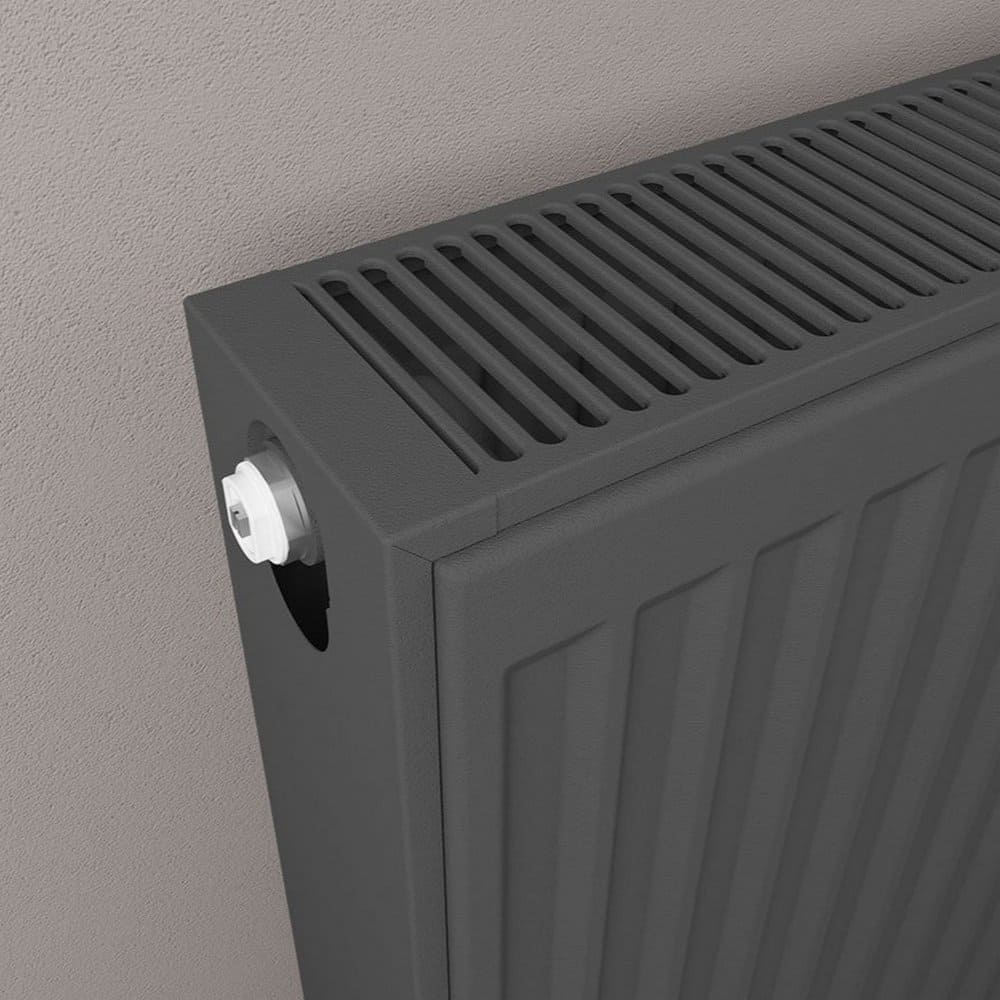
Double Panel Radiators are often referred to “Type 22 Radiators“.
3. Energy Efficiency and Cost
- Single Panel Radiators
Single-panel heaters are generally cheaper to purchase and require less energy to heat, making them a cost-effective option for small rooms or well-insulated spaces. However, they may struggle to heat larger areas efficiently.
- Double Panel Radiators
Though pricier to buy and potentially more expensive to run, their ability to heat larger rooms faster can offset costs over time, especially in older homes with less insulation.
Best Use Cases for Single Radiators
Wondering if a single-panel radiator is right for you? Here’s where they excel:
- Small Rooms With Limited Heating Needs
Think bathrooms, box rooms, or offices that don’t need much heat to stay warm.
- Compact Spaces
Narrower spaces like hallways or cloakrooms where a slimline radiator is a practical choice.
- Budget-Friendly Heating
Perfect for homes needing an affordable and easily maintained heating solution.
Best Use Cases for Double Radiators
If you’re leaning towards a double-panel radiator, consider these ideal scenarios:
- Larger Rooms
Living rooms, bedrooms, or open-plan areas need more heat, which double panel radiators supply efficiently.
- Energy-Efficient Heating
Homes with older or single-glazed windows benefit from the increased heat output of a double-panel radiator.
- Faster Heating
Ideal for chilly mornings where quick heat is essential throughout the home.
Installation Considerations
Boiler Capability
Double panel radiators require more hot water to heat their larger surface area. Before upgrading from a single to a double, ensure your boiler can handle the higher demand. Consulting a heating engineer is recommended.
Replacing a Single Panel Radiator
Yes, you can replace a single-panel radiator with a double, provided it matches the height and width of the existing unit (learn how with our guide on How to Install a Radiator). However, bear in mind the increased depth and potential extra strain on your central heating system.
BTU Calculation
To determine a radiator’s suitability for a room, calculate your heating requirements in BTU (British Thermal Units). Many online BTU calculators can guide you through this process. Read through our Guide on British Thermal Units for a more in-depth explanation.
Exploring Designer Radiator Options
Style-conscious homeowners don’t have to sacrifice aesthetics for performance. Designer radiators come in eye-catching shapes and finishes, with both single and double-panel options available. Consider these:
- Aluminium Radiators
Lightweight yet powerful, aluminium radiators heat up quickly and come in modern designs. The Reina Vicari 1800 x 400mm Single Vertical White Aluminium Radiator is a perfect example, combining sleek aesthetics with efficient performance. It’s even earned a 5-star review from David, who praised, “The item looks very good,” highlighting its stylish appeal.
- Vertical Radiators
Perfect for rooms with minimal horizontal wall space, vertical radiators both contemporary and efficient.
- Specialty Models for Conservatories
Space-saving and efficient, these radiators fit neatly under windows while offering ample heat output.
Common Questions About Radiators
1. Is a Single or Double Radiator Better?
It depends on your room size and heating needs. Single radiators work best in smaller spaces or where wall space is limited. Double radiators are better for larger areas requiring higher heat output.
2. Do Double Panel Radiators Cost More to Run?
Yes, they use more energy due to their greater heat output. However, this efficiency can help maintain steady temperatures in larger rooms, which may make them more cost-effective in the long run.
3. Should I Install One or Two Radiators in a Room?
This depends on the size and layout of the room. For small rooms, a single-panel radiator is sufficient. For larger spaces, either a double radiator or multiple single radiators may provide better coverage. Use a BTU calculator to decide.
Single vs Double Panel Radiators: Final Thoughts
When comparing single and double radiators, the choice ultimately boils down to the size of your room, your heating needs, and your personal preferences. While single-panel radiators are great for compact spaces and budget-conscious homeowners, double-panel models provide superior heat output for larger areas.
Still unsure which radiator is right for you? It’s always a good idea to consult a heating professional or use a BTU calculator to assess your room’s heating requirements.