
 Low Online Discount Prices
 Fast Delivery
 Safe and Secure Online Checkout
Are some rooms in your home frustratingly cold while others feel like a sauna? This common problem signals that your radiators need balancing. Radiator balancing is a straightforward DIY task that can transform your heating system’s efficiency. Balance radiators to ensure comfortable and consistent temperatures throughout your home.
Balancing radiators involves adjusting the flow of hot water through each radiator to ensure they all heat up at roughly the same rate. When done correctly, this process eliminates hot and cold spots, reduces energy bills, and makes your entire heating solution more effective.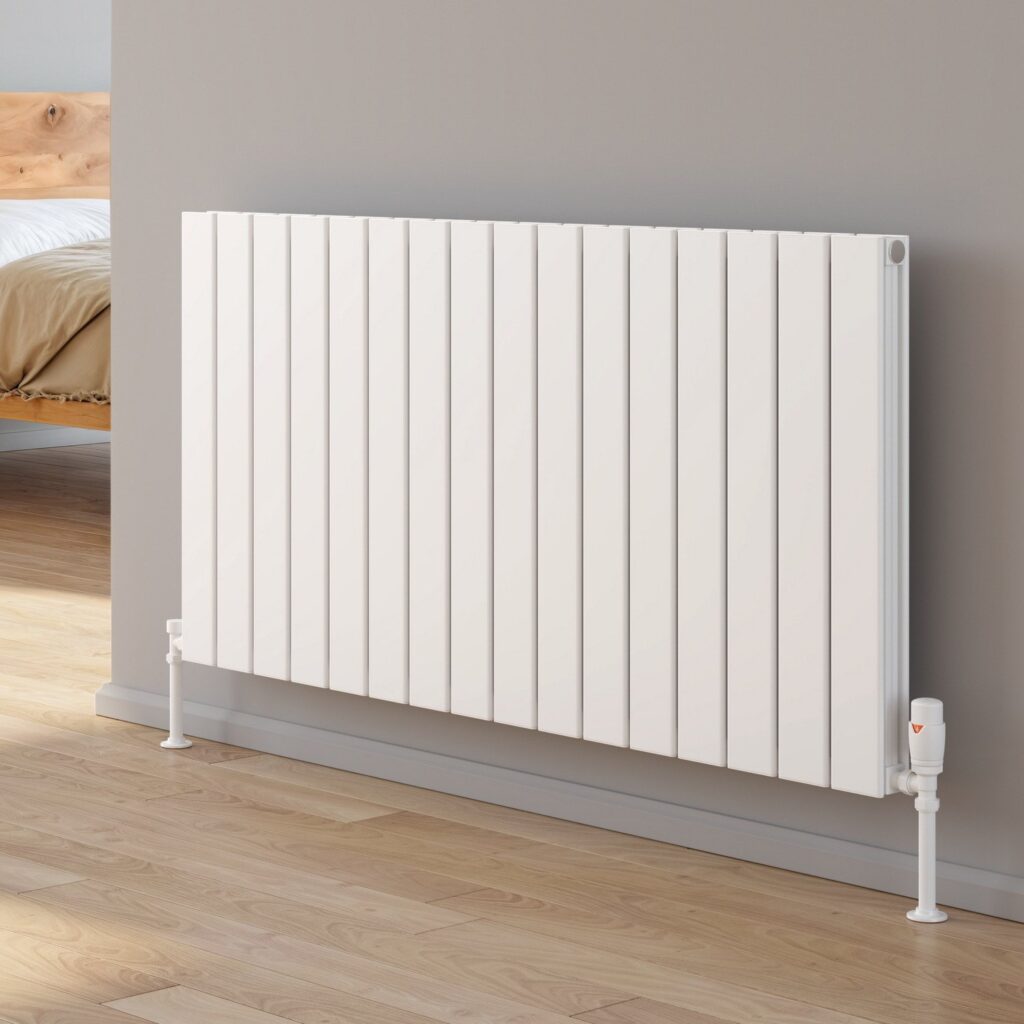
What Does Radiator Balancing Mean?
Radiator balancing is the process of adjusting radiator valves to control water flow and ensure even heat distribution throughout your home. When radiators are properly balanced, they should all reach their target temperature at approximately the same time, regardless of their distance from the boiler.
An unbalanced heating system typically shows these signs:
- Some radiators heat up much faster than others.
- Rooms furthest from the boiler remain cold.
- Uneven temperatures between different areas of your home
- Higher energy bills due to inefficient heating – Cut the cost of gas with your radiator in your bathroom by optimising energy efficiency and reducing waste
How Do I Know If My Radiators Need Balancing?
Before you balance radiators, identify whether your radiators actually need this adjustment. Here are the key indicators:
Temperature Differences: Walk through your home when the heating is on. If some rooms are significantly warmer or cooler than others, your system likely needs balancing.
Heating Speed Variations: Notice which radiators heat up first when you switch on your heating. Those closest to the boiler typically warm up fastest, leaving others struggling to reach temperature.
Cold Radiators: If some radiators remain cold or only partially warm despite bleeding them, balancing may solve the problem.
Inconsistent Comfort: When you need to adjust thermostats differently in various rooms to maintain comfort, this suggests an unbalanced system.
Tools You’ll Need
Gather these essential tools before starting:
- Radiator bleeding key
- Lockshield valve adjuster or adjustable spanner
- Digital thermometer (or multimeter with temperature function)
- Screwdriver
- Notepad and pen
- Optional: Helper to monitor multiple radiators
Step-by-Step Guide on How to Balance Radiators
Step 1: Turn Off Your Heating
Switch off your heating system completely and allow all radiators to cool down until they’re completely cold. This cooling period is crucial for accurate temperature readings later.
If you haven’t bled your radiators recently, do this first. Air trapped in the system can affect temperature readings and overall performance. Learn how to bleed a radiator through our easy-to-follow blog post.
Step 2: Open All Radiator Valves
Locate the valves on each radiator. Most radiators have two valves:
- Thermostatic Radiator Valve (TRV) or manual valve on one side
- Lockshield valve on the other side (usually covered with a plastic cap)
Remove the plastic caps from lockshield valves and open all valves fully by turning them anti-clockwise. TRVs and manual valves can be turned by hand, while lockshield valves require a valve adjuster or spanner.
Step 3: Turn the Heating On and Record the Speed
Switch your heating back on and monitor how quickly each radiator heats up. Create a list ranking radiators from fastest to slowest heating. This step is crucial as it determines the order you’ll work on them.
Radiators closest to the boiler typically heat up first, but pipe layout and valve positions can affect this order. Consider enlisting family members to help monitor different radiators simultaneously.
Step 4: Cool Down System Again
Switch off your heating and wait for all radiators to cool completely. This second cooling period ensures you start the balancing process from a consistent baseline temperature.
Step 5: Adjust the Fastest Heating Radiator
Turn your heating back on and go to the radiator that heated up first. Close its lockshield valve completely by turning it clockwise, then open it just a quarter-turn anti-clockwise.
Wait for the radiator to warm up, then take temperature readings of the pipes leading to both valves using your digital thermometer. Gradually open the lockshield valve until there’s exactly a 12°C difference between the two pipe temperatures.
Step 6: Take Temperature Readings
The 12°C temperature difference is crucial for proper balancing. This differential ensures optimal water flow while maintaining system efficiency. Take readings from:
- The pipe leading to the inlet valve (usually higher temperature)
- The pipe leading to the outlet valve (usually lower temperature)
Allow several minutes between each valve adjustment for temperatures to stabilise before taking new readings.
Step 7: Check Each Radiator
Work through your list, adjusting each radiator in the order they originally heated up. Generally, radiators further from the boiler will need their lockshield valves opened more than those closer to the boiler.
The last radiator on your list may need its lockshield valve fully open to achieve the correct temperature difference.
Why Do We Need 12 Degrees When Balancing Radiators?
The 12°C temperature difference between the inlet and outlet pipes is the industry standard for optimal radiator performance. This differential ensures:
- Adequate heat transfer from the hot water to the room
- Efficient water circulation throughout the system
- Proper return water temperature to the boiler
- Maximum energy efficiency
A smaller temperature difference suggests insufficient heat transfer, while a larger difference indicates restricted flow that could affect other radiators.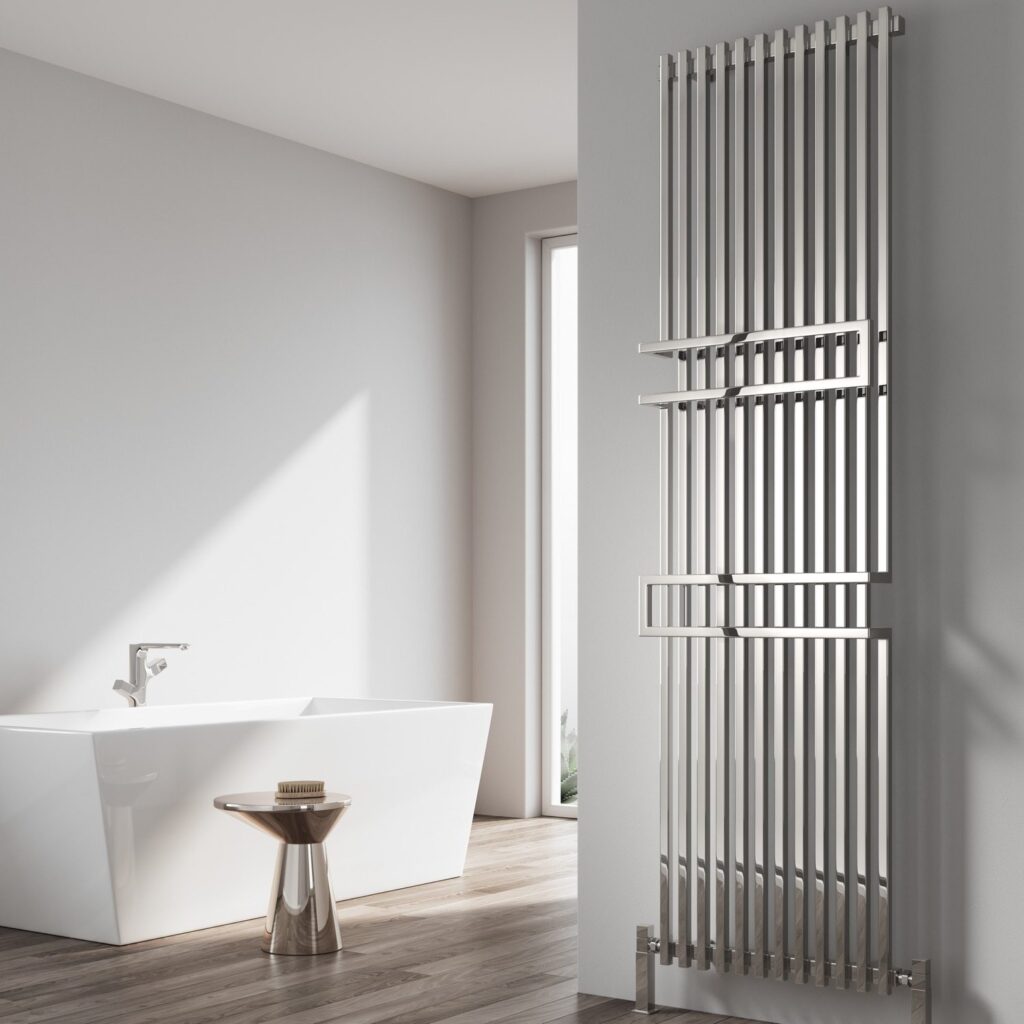
Should the Lockshield Be Fully Open?
Most lockshield valves should not be fully open after balancing. The lockshield valve controls water flow rate, and fully opening all valves would recreate the original unbalanced condition.
However, remove the plastic or metal covers from lockshield valves completely during the balancing process. These covers are designed to prevent accidental adjustment once the system is balanced.
The radiator furthest from your boiler may need its lockshield valve fully or nearly fully open to achieve adequate flow and the correct temperature differential. For more information regarding valves and lockshields, read through our Radiator Valve FAQs.
Troubleshooting Common Issues
Radiators Not Heating After Bleeding
If radiators remain cold even after bleeding, check for:
- Pressure issues in the system
- Stuck thermostatic radiator valve pins – our blog post on Common Problems with Radiator Valves explains how to fix these issues
- Blocked or damaged valves
- Sludge buildup in the system
System Still Unbalanced After Adjustments
Persistent balancing problems may indicate:
- Weak circulation pump: The pump may not be powerful enough to circulate water effectively through the entire system
- Sludge buildup: Black water when bleeding radiators indicates sludge that restricts water flow
- System blockages: Debris or mineral deposits in pipes can prevent proper circulation
Difficulty Achieving Desired Temperature
If you cannot achieve comfortable temperatures in all rooms:
- Check for adequate radiator sizing for each room
- Verify that the thermostatic radiator valves are working correctly
- Consider whether the boiler capacity matches your home’s heating requirements
Inaccurate Temperature Readings
Ensure accurate readings by:
- Using a quality digital thermometer
- Taking readings from the correct pipe locations
- Allowing sufficient time for temperature stabilisation between adjustments
- Checking that pipes are properly insulated to prevent heat loss
Stuck Lockshield Valves
If lockshield valves are difficult to adjust:
- Apply penetrating oil and allow time for it to work
- Use proper tools to avoid damaging the valve mechanism
- Consider professional help if the valves are severely corroded
When to Call a Professional
While radiator balancing is a DIY-friendly task, certain situations require professional intervention:
- Persistent cold spots despite multiple balancing attempts
- Signs of significant sludge buildup requiring system flushing
- Faulty circulation pumps or boiler issues
- Severely corroded or damaged valves
- Complex heating systems with multiple zones
The Benefits of Properly Balanced Radiators
Successfully balancing your radiators delivers several advantages:
Improved Energy Efficiency: Balanced systems use energy more effectively, reducing heating bills and environmental impact.
Even Temperature Distribution: Comfortable temperatures throughout your home without hot and cold spots.
Extended System Life: Proper water flow reduces stress on boiler components and heating system parts.
Better Comfort: Consistent heating means you can set your thermostat to a comfortable temperature, knowing all rooms will reach it.
Reduced Heating Costs: Efficient operation means your boiler doesn’t work harder than necessary to heat your home.
Maintaining Your Balanced System
Once you’ve balanced your radiators, maintain optimal performance by:
- Bleeding radiators annually or when you notice cold spots
- Checking and adjusting TRV settings seasonally
- Having your boiler serviced annually
- Monitoring for signs that rebalancing is needed
- Keeping radiator valves clean and free from debris
Final Thoughts on Radiator Balancing
Balance radiators as part of essential maintenance to significantly boost your home’s heating efficiency. While the process requires patience and attention to detail, the results – comfortable temperatures throughout your home and reduced energy bills – make the effort worthwhile.
Most homeowners can successfully balance radiators using basic tools and following these step-by-step instructions. You can even install a radiator yourself with confidence by using our comprehensive guide on How Do I Install a Radiator. However, don’t hesitate to contact a qualified heating engineer if you encounter persistent problems or feel uncomfortable performing any part of the process.
Remember that a well-balanced heating system not only keeps your home comfortable but also reduces energy consumption and extends the life of your heating equipment. Regular maintenance, including annual bleeding and periodic rebalancing, will keep your radiators operating at peak efficiency for years to come.
At Showers to You, we are always on hand to answer any heating queries from our team of experts, including how to balance radiators effectively. You can reach us via email (info@showerstoyou.co.uk), phone (01472 242159) or through our online contact form.