
 Low Online Discount Prices
 Fast Delivery
 Safe and Secure Online Checkout
Stepping out of a warm shower onto a cold, hard floor is an unpleasant experience many of us know well. For years, the go-to solution was a bath mat, but a more integrated and luxurious option has been steadily gaining favour: heated bathroom floors. This form of underfloor heating is quickly becoming a must-have feature in modern homes, moving from a high-end luxury to an accessible and practical choice for many homeowners.
So, what is driving this surge in popularity for bathroom floor heating in 2025? It is a combination of superior comfort, improved energy efficiency, and smart technology that makes it a compelling alternative to traditional radiators and heated towel rails. This post from Showers to You will explore the key reasons behind the trend, covering everything from the benefits and costs to the latest technological advancements.
The Benefits of Heated Bathroom Floors
The appeal of underfloor heating goes far beyond the simple pleasure of warm feet on a cold morning. It offers a range of practical advantages that are convincing more and more homeowners to make the switch.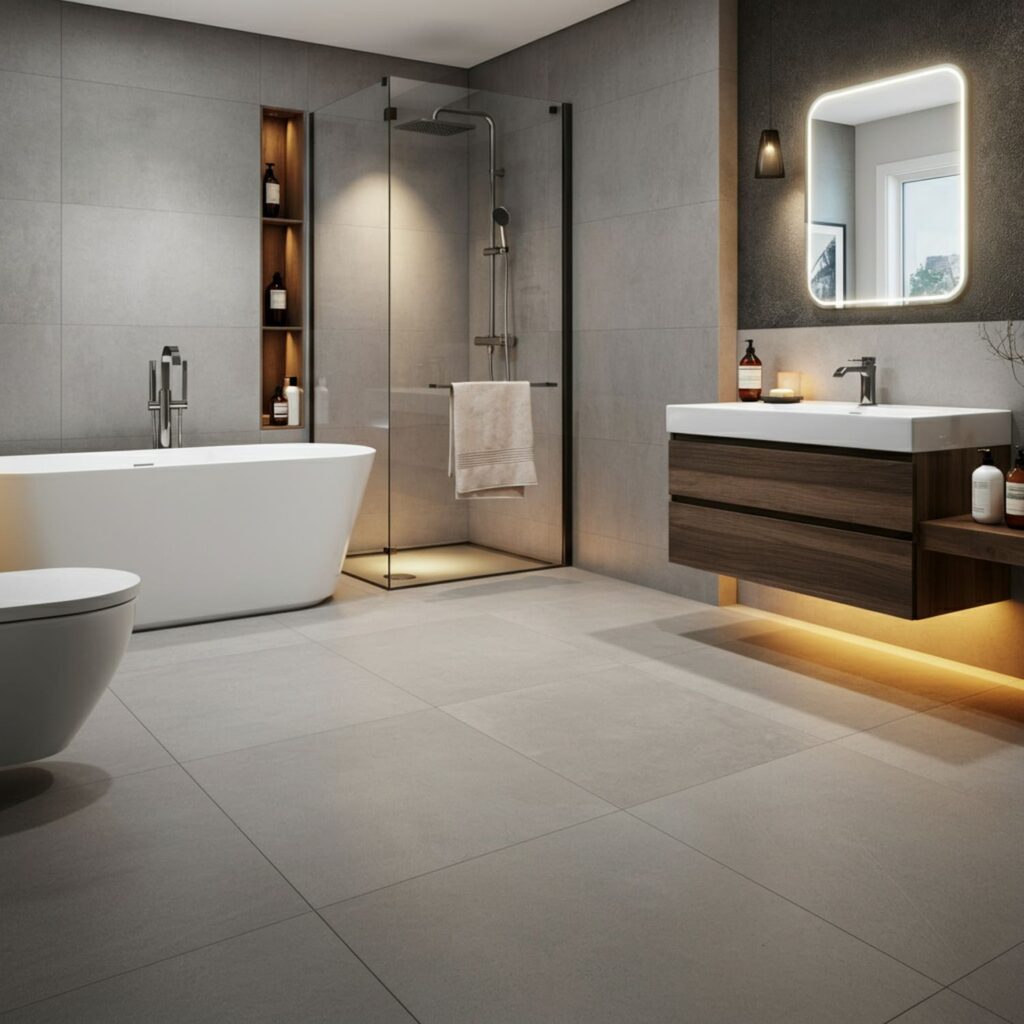
Unmatched Comfort and Luxury
The primary benefit of a heated floor is the consistent and gentle warmth it provides. Unlike radiators, which heat the air around them and can create hot and cold spots, underfloor heating distributes warmth evenly from the ground up. This radiant heat warms objects and people in the room directly, creating a comfortable environment without drafts. This method ensures a uniform temperature throughout the room, eliminating chilly corners. Installing electric underfloor heating also saves valuable wall space, offering greater freedom in bathroom design.
Energy Efficiency and Cost Savings
Modern underfloor heating systems are highly energy-efficient. They run at lower temperatures (around 27-40°C) than traditional radiators (which operate at 65-75°C) to achieve the same level of comfort. This lower temperature requirement means your boiler or heat pump works less hard, reducing energy consumption and lowering your heating bills. Some homeowners report a drop in heating bills of 15-20% after switching. When installed with proper insulation, the system retains heat effectively, making it a cost-effective long-term investment.
Improved Air Quality
Traditional central heating systems with radiators rely on convection, circulating warm air that can stir up dust, allergens, and other airborne particles. For individuals with allergies or respiratory conditions like asthma, this can be a significant issue. Bathroom floor heating uses radiant heat, which does not create air currents. This results in a cleaner indoor environment with fewer circulating allergens. One study found that homes with radiant heating had 30% fewer airborne particles, making it a healthier choice for your family.
Technological Advancements in 2025
Recent innovations have made underfloor heating systems smarter, more efficient, and easier to install than ever before.
Smart Thermostats and Home Automation
One of the most significant trends is the integration of smart technology. Modern underfloor heating can be controlled via smart thermostats that connect to home automation systems like Alexa and Google Home. These thermostats allow you to set schedules, control temperatures remotely via a smartphone app, and even learn your daily routines to optimise heating for comfort and efficiency. Features like open-window detection and multi-zone programming are now standard, giving you precise control over your bathroom heating.
Ultra-Thin Mats and Fast-Drying Screeds
Installation has also become simpler, particularly for renovations. The development of ultra-thin heating mats means systems can be fitted into existing rooms without needing to raise floor levels significantly. These mats can be laid directly onto the subfloor before the final flooring is installed, making retrofitting a viable option for many older properties. Additionally, new fast-drying screeds have reduced installation times dramatically, allowing floor coverings to be laid much sooner and minimising disruption.
Installation, Costs, and Options
If you are considering heated floors for your bathroom, it is important to understand the different systems available and what to expect in terms of cost.
Types of Underfloor Heating Systems
There are two main types of underfloor heating:
- Electric Systems: These use a network of wires or heating mats installed under the floor. They are generally cheaper and easier to install, especially in smaller rooms like bathrooms, making them a popular choice for retrofitting. However, their running costs can be higher than water-based systems.
- Hydronic (Water-Based) Systems: These systems pump warm water through pipes laid beneath the floor. They are more expensive to install but are more cost-effective to run over the long term, particularly over larger areas. They work exceptionally well with energy-efficient heat pumps.
Installation Costs
The cost of installing bathroom floor heating varies depending on the system type and the size of the room.
- Electric systems typically cost between £70 and £100 per square metre, such as the Redroom 100W 1m2 Underfloor Heating Mat. This includes materials and professional installation.
- Hydronic systems are more expensive, ranging from £120 to £160 per square metre.
It is crucial to factor in the cost of proper insulation, as this is essential for the system’s efficiency. Installing underfloor heating during a renovation or new build can also significantly reduce labour costs.
Underfloor Heating vs. Radiators vs. Heated Towel Rails
When planning your bathroom heating, you might wonder how underfloor heating compares to other options.
- Radiators are a traditional choice, but take up wall space and create less consistent heat.
- Heated towel rails are excellent for warming towels and providing supplemental heat, but are not usually powerful enough to heat an entire bathroom on their own. Browse our selection of unique and designer towel rails, including electric-only models, traditional designs, and Black Heated Towel Rails.
- Underfloor heating offers whole-room warmth, frees up wall space for a cleaner aesthetic, and provides superior comfort and efficiency. Many homeowners opt for a combination, using underfloor heating as the primary heat source and a heated towel rail for warm, dry towels.
Why Choose Heated Floors in 2025?
The trends for 2025 are clear: homeowners are prioritising comfort, efficiency, and smart technology. Heated bathroom floors deliver on all fronts. They save energy and improve the air quality in your bathroom. With simpler installation methods and smart controls becoming standard, what was once a niche luxury is now an accessible and intelligent upgrade.
If you are planning a bathroom renovation, now is the perfect time to consider the benefits of a heated floor. Ready to stop dreading those cold winter mornings?
Explore our range of Underfloor Heating options today and find the perfect solution for your home.