
 Low Online Discount Prices
 Fast Delivery
 Safe and Secure Online Checkout
Understanding what a bathroom zone and an IP Rating are might not be the most exciting part of home ownership. Still, it’s crucial for anyone looking to improve both the safety and functionality of their bathroom space. Whether you’re planning a complete bathroom renovation or simply upgrading a few fixtures, knowing the ins and outs of bathroom zones and IP ratings will guide you in making better decisions.
This blog from Showers to You will walk you through the fundamentals of bathroom zones, explaining each zone’s specific requirements. We’ll then take a deep dive into IP ratings, breaking down what those digits mean for your home. By the end of this article, you’ll know what to look for when choosing lighting, switches, and electrical appliances for your bathroom.
What Are Bathroom Zones?
Zone 0
Zone 0 is the area inside the bath or shower itself—the wettest of the zones. Given the constant presence of water, it is totally water-resistant and only low-voltage equipment is allowed here. Any light fitting or electrical appliance installed within Zone 0 must have an IP rating of IP67, which ensures the item is waterproof and can withstand being submerged in water.
For example, if you consider installing underwater lighting for your bath or shower, ensure it’s designed for this zone. Submersible lights can add a magical glow to your bath time, but the wrong choice can lead to water damage and electrical hazards.
Homeowners often overlook Zone 0 when planning bathroom installations. However, understanding the specific needs of this zone can save you from costly mistakes and provide peace of mind.
Zone 1
Zone 1 covers the area directly above the bath or shower up to a height of 2.25 metres from the floor. In this zone, any electrical fitting is likely to come into contact with water vapour, making it crucial for all devices to have an appropriate IP rating. For this zone, a minimum IP rating of IP65 is essential to ensure protection against water jets from any direction.
This is the zone where most of your over-bath or over-shower lighting would be installed. Think of ceiling downlights, such as the Sensio Pure TrioTone Dual Power IP65 Downlight, that illuminate your shower area or overhead shower lamps. Some people even have extractor fans installed here to remove steam and moisture efficiently.
Choosing fixtures with the correct IP rating for Zone 1 will ensure that all your electrical devices can withstand moisture and prevent any water ingress, keeping your bathroom safe and functional.
Zone 2
Zone 2 extends 0.6 metres outside the perimeter of the bath and to a height of 2.25 metres from the floor. It also covers the area around washbasins within a 60-centimetre radius of any water source. Considering that splashes of water are a common occurrence in this zone, a minimum IP rating of IP44 is recommended.
Think of wall lights adjacent to your basin or shaver sockets on the bathroom wall. These are the areas where Zone 2 regulations are most applicable. For example, the Ajax Hallington Chrome Bathroom Wall Light would be suitable for this area, as it can withstand splashes of water from any direction.
Paying attention to Zone 2 requirements helps homeowners maintain not just the safety but also the aesthetic appeal of their bathroom. The right fixtures can improve your bathroom’s look while providing the necessary safety features.
Zone 3
Zone 3 includes the areas beyond Zones 1 and 2, essentially covering any area that is unlikely to come into contact with water. This zone is typically more flexible in terms of the type of electrical equipment you can install. However, while there are no specific IP requirements for Zone 3, it’s always wise to consider the potential for water splashes and choose fixtures accordingly.
Standard installations in this zone include additional lighting or power sockets for devices like hairdryers or electric razors. These fittings don’t require as high an IP rating but should still be suitable for a humid environment.
Zone 3 is often the space where homeowners focus on aesthetics, adding elements that enrich the bathroom’s functionality without compromising on safety.
Understanding IP Ratings
What Are IP Ratings?
IP ratings, or Ingress Protection ratings, are a standardised measure of how well a device is protected against the intrusion of solid objects and liquids. It consists of two numbers. The first digit indicates the level of protection against solid particles, while the second digit denotes liquid ingress protection.
For example, an IP44 rating means the device is protected against solid objects larger than 1mm and is safeguarded against water splashes from any direction. Understanding these numbers is vital when selecting electrical appliances for areas prone to moisture and dust.
IP ratings are crucial for ensuring that your bathroom installations are durable and safe. They offer peace of mind and protect your investments in the long run.
First Digit of IP Ratings Explained
The first number in an IP rating ranges from 0 to 6 and measures the level of protection against solid objects like dust and debris. The higher the number, the greater the level of security. For example, a rating of 1 protects large surfaces but not as much against smaller particles. Conversely, a rating of 6 ensures complete protection against dust.
In a bathroom setting, dust isn’t typically a primary concern, but higher solid particle protection can add an extra layer of security. It’s beneficial if you live in an area prone to dust or if your bathroom doubles as a laundry space.
Choosing fixtures with a high first-digit IP rating ensures that your bathroom appliances remain functional over the years, even under adverse conditions.
Second Digit of IP Ratings Explained
The second digit in an IP rating assesses the level of protection against liquids, ranging from 0 to 9. In bathroom installations, this digit is particularly significant, as it measures the fixture’s ability to resist water penetration. A higher number signifies better protection. For instance, a rating of 4 protects against splashing water, while a rating of 8 means that the device is protected against the effects of continuous immersion in water.
For bathroom zones where exposure to water is frequent, focusing on the second digit of the IP rating is vital for maintaining safety and preventing water-related mishaps.
By carefully considering this second digit, homeowners can make informed choices about the right fixtures and avoid costly errors, ensuring both safety and functionality.
Choosing the Right Lighting
Lighting for Zone 0
When it comes to lighting for Zone 0, the options are limited but impactful. Submersible lights are the go-to choice for this area. These lights must have an IP rating of IP67 or higher, ensuring they can withstand complete immersion.
Opting for LED lights is a great choice here, as they offer low voltage, consume less energy, and have a longer lifespan. They also provide ambient lighting that can create a spa-like atmosphere in your bathroom.
Lighting for Zone 1
For Zone 1, over-bath or over-shower lighting is essential. The fixtures must have a minimum IP rating of IP65, ensuring they can withstand jets of water. Recessed ceiling lights or specific shower lights are popular choices here.
Consider installing LED downlights, which are energy-efficient and offer bright, focused illumination. Some even come with dimming options, like the Sensio Elena Tiltable TrioTone Downlight in Chrome, allowing you to control the ambience and mood of your bathroom.
Making informed lighting decisions for Zone 1 improves the functionality and safety of your bathroom, giving you peace of mind every time you step into the shower.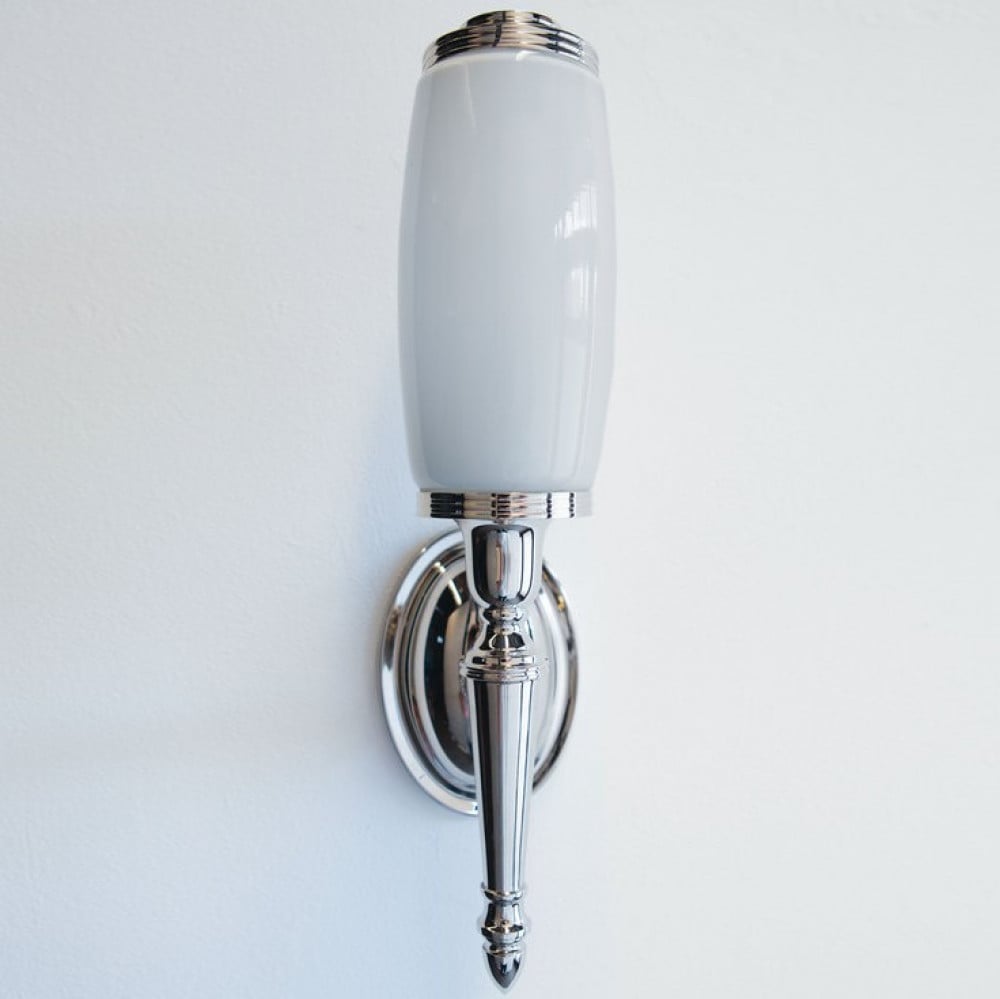
Lighting for Zone 2
Zone 2 offers more flexibility, allowing for a variety of lighting options. Wall lights, mirror lights, and even illuminated mirror cabinets are commonly installed in this area. A minimum IP rating of IP44 is necessary for these fixtures.
LED lights are a popular choice for Zone 2 thanks to their energy efficiency and long-lasting performance. They offer ample brightness without consuming too much electricity.
Choosing the proper lighting for Zone 2 not only increases safety but also adds to the aesthetic appeal of your bathroom, making it a more inviting and comfortable space.
Choosing the Right Switches
Switches for Zone 0
Switches in Zone 0 are practically non-existent due to safety reasons. This zone requires special attention to safety, and electrical switches are generally avoided here.
If you do require a switch in this area, it must comply with stringent safety standards and have a high IP rating, ideally IP67. However, it’s best to install switches outside the bath or shower area to avoid any risks.
Being mindful of switch placement in Zone 0 is crucial for maintaining a safe environment, ensuring that your bathroom remains a haven of relaxation rather than a potential hazard.
Switches for Zone 1
Switches are generally not installed in Zone 1 for safety reasons. If a switch is necessary, it must meet high safety standards and have an IP rating of at least IP65.
Instead of traditional switches, you might consider using a pull-cord switch located outside the shower area for controlling lighting or ventilation in Zone 1. This minimises risk while providing convenience.
Making thoughtful decisions about switch placement in Zone 1 is essential for creating a safe and user-friendly bathroom space.
Switches for Zone 2
In Zone 2, switches can be installed with more flexibility but should still adhere to safety guidelines. A minimum IP rating of IP44 is required for any switches installed in this area.
Consider using moisture-resistant switches explicitly designed for bathroom use. These switches are engineered to withstand splashes and humidity, offering durability and reliability.
Selecting the appropriate switches for Zone 2 ensures that your bathroom remains both functional and safe, providing you with a reliable setup for everyday use.
Choosing Electrical Appliances
Appliances for Zone 0
Electrical appliances in Zone 0 are rare due to the need for submersion-proof installations. If you do need an appliance here, such as underwater lighting, it must have an IP rating of IP67.
When choosing appliances for Zone 0, focus on selecting low-voltage options that meet rigorous safety standards. This minimises risk while providing the functionality you need.
Appliances for Zone 1
Zone 1 is suitable for specific appliances like extractor fans or shower lights, provided they have a minimum IP rating of IP65. These appliances should be designed to withstand water jets.
Extractor fans are precious in Zone 1 for removing steam and moisture, ensuring a dry and comfortable environment.
Appliances for Zone 2
Zone 2 offers more flexibility for appliance installation, allowing for items like heated towel rails or shaver sockets. A minimum IP rating of IP44 is required for these appliances.
Heated towel rails are a popular choice for Zone 2, providing warmth and convenience. Opt for models that offer energy efficiency and are easy to install.