
 Low Online Discount Prices
 Fast Delivery
 Safe and Secure Online Checkout
Blocked baths and showers are a frustrating yet common household problem. From standing water to unpleasant odours, a clogged drain can disrupt your daily routine and make your bathroom unhygienic. The good news? With the right tools and techniques, most blockages can be fixed quickly and easily. This blog post from Showers to You will walk you through the signs and causes of a blocked bath or shower, DIY methods to fix it, and tips to unblock a bath or a shower. Plus, we’ll help you recognise when it’s time to call in a professional.
Why is my shower blocked?
Not quite sure if you’re dealing with a blocked drain? Here are some common red flags to watch out for:
- Slow Draining Water
Is water pooling in your bath or shower? A slow drain is one of the earliest signs of a blockage.
- Unpleasant Odours
A blocked drain often traps waste, leading to foul smells coming from your pipes.
- Gurgling or Unusual Noises
Water may struggle to flow through a partially blocked pipe, causing gurgling sounds.
- Standing Water
When the blockage becomes severe, water may not drain at all, leaving you with a stagnant pool in your shower tray or bathtub.
If any of these signs sound familiar, it’s time to investigate further and take action.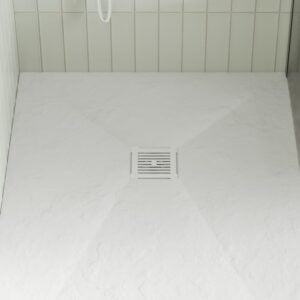
What causes a bath or shower to block?
Understanding what caused the blockage can help you prevent it in the future. Here are the common culprits behind blocked baths and showers:
1. Hair
Hair is the leading cause of clogged drains. It builds up over time, tangling with soap and other debris to form dense clumps that obstruct water flow.
2. Soap Scum
Toiletries like soap bars and shower gel can leave a residue that builds up in your pipes. Over time, this residue hardens, making it harder for water to pass through.
3. Mineral Deposits
If you live in an area with hard water, mineral deposits such as calcium and magnesium can build up in your pipes, contributing to blockages.
4. Foreign Objects
Non-biodegradable items like shampoo bottle caps, hairpins, or children’s toys can accidentally find their way into your drain and cause major blockages.
Knowing the root cause of the blockage will better inform your approach to fixing it.
DIY Methods for Unblocking Baths and Showers
How do you remove standing water from a shower? Try these DIY methods first:
1. Remove Debris by Hand
Start by removing the waste cover and using your fingers or a drain snake to remove any visible clumps of hair or debris. Make sure to wear gloves for hygiene.
2. Use Baking Soda and Vinegar
This classic household remedy is gentle on your pipes and the environment:
- Three heaped teaspoons of bicarbonate soda down the blocked drain.
- Follow it with approximately 500ml of white vinegar.
- Cover the drain and wait for 20-30 minutes while the mixture fizzes.
- Flush the drain with boiling water to clear any loosened debris.
3. Try a Plunger
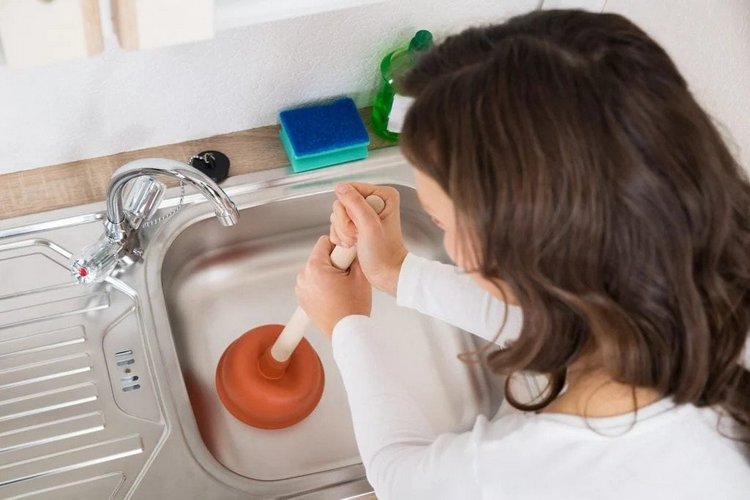
Wondering, “Will a plunger unblock a bath?” Absolutely! Here’s how:
- Ensure there’s a small amount of water in the bath or shower to create a good seal.
- Place the plunger over the drain and pump vigorously several times.
- Check if the water drains away; repeat if necessary.
4. Invest in a Drain Snake
For tougher blockages, you can purchase a drain snake or auger. Insert it into the drain, turn the handle, and pull it out to remove the blockage.
These methods can be used on bathroom basins and kitchen sinks. Read through our blog on How to Unblock a Basin for more information.
Prevention Tips
Prevention is key when it comes to keeping your bath or shower drains flowing freely. Follow these tips to save yourself from future headaches:
1. Regularly Clean Your Drain
Take a few minutes each week to clean the drain cover and remove any visible debris. Some shower trays have self-cleaning wastes, such as the Ajax Linear Shower Trays.
2. Use a Drain Protector
Place a drain cover or hair catcher to trap hair and larger debris before they enter your pipes.
3. Avoid Pouring Grease Down the Drain
Greasy residues can combine with soap scum and hair to form stubborn blockages.
4. Skip the Bleach
Can you use bleach to unblock a bath or a shower? While bleach may break down some organic matter, it’s not strong enough to tackle significant blockages and can potentially harm your pipes in the long run. Stick to safer alternatives like the bicarbonate of soda and vinegar solution.
5. Run Hot Water Regularly
Flush your bath or shower drains with boiling water once a week to prevent soap scum and mineral build-up.
When to Call a Professional
Sometimes, even the best DIY efforts won’t be enough to clear a tough blockage. Here are signs it’s time to call a plumber:
- The blockage doesn’t resolve after trying multiple DIY methods.
- You notice water backing up into other areas of your home, such as kitchen sinks, basins, or toilets.
- There’s a persistent foul smell coming from your drain, even after cleaning it.
Blocked drains can sometimes signal a more significant plumbing issue that requires professional equipment and expertise to resolve. For alternative methods, check out our guide on How to Unblock a Toilet.
Maintain Your Drain, Maintain Your Peace of Mind
Preventing and addressing bath or shower drain blockages doesn’t have to be a daunting task. By acting quickly and following the tips above, you can keep your drains flowing freely and avoid costly repairs.
But remember, some situations are best left to the experts. If nothing seems to work, don’t hesitate to call a plumber to restore your bathroom to its best condition.
Taking care of your home’s plumbing is an essential part of maintenance. Start today and enjoy hassle-free baths and showers for years to come.
Check out our full range of baths and shower trays today! Alternatively, if you have any questions, don’t hesitate to contact us via email (info@showerstoyou.co.uk), online contact form or phone (01472 242159).