
 Low Online Discount Prices
 Fast Delivery
 Safe and Secure Online Checkout
Leaking taps can be more than just an inconvenience; they waste water, disrupt your home, and can lead to costly repairs. While traditional rubber washer taps were once the norm, modern advancements have significantly reduced these issues. At the forefront of these innovations are ceramic disc valves, which have become a preferred choice for quality taps today.
But what exactly are ceramic disc valves? How do they work? What are the benefits and potential downsides of choosing them? This blog post from Showers to You explores everything you need to know about ceramic disc valves on taps, from their functionality to their longevity.
How Does a Ceramic Disc Valve Work?
Ceramic disc valves consist of two durable ceramic discs fitted tightly within the tap mechanism. For mixer taps, these discs will usually feature two aligned holes to control water flow. For pillar taps or dual-handle designs, such as the Bristan 1901 Basin Taps, each valve features its own hole.
Here’s how they work:
- Turning on the tap aligns the ceramic discs, allowing water to flow through the holes.
- Turning off the tap misaligns the discs, instantly stopping the water flow.
Customers have praised the Bristan 1901 Taps for their quality and elegance, with one reviewer describing them as “stylish and very good quality,” while another noted the “speedy delivery and well-packaged” arrival. These taps also stand out for their ease of installation and timeless Edwardian-inspired design, with another satisfied customer calling them “great value for money” and perfect for replacing older taps with a similar design.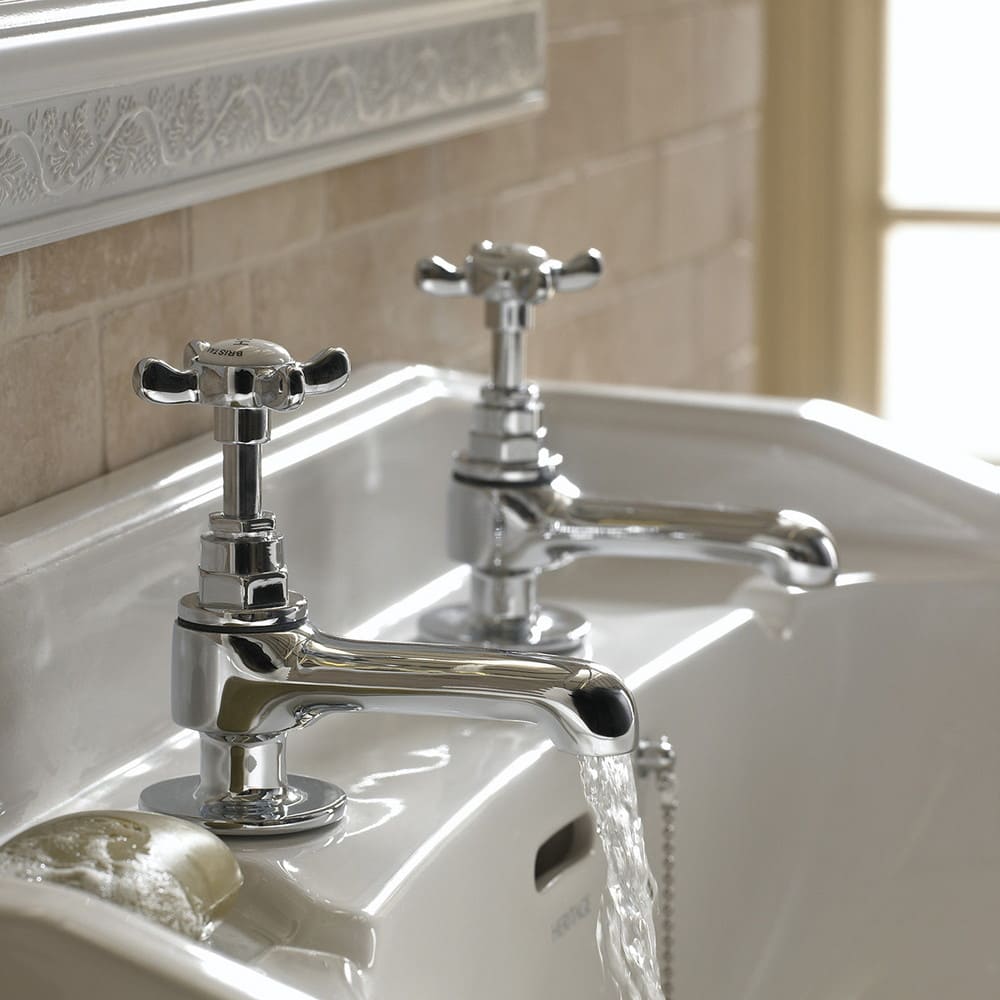
This precise mechanism minimises wear and tear and ensures smoother operation compared to traditional taps. A great example of a tap that uses ceramic disc valves is the Bristan Liso Chrome Bath Filler, known for its sleek design and effortless quarter-turn operation enabled by its ceramic discs.
Benefits of Ceramic Disc Valves
The valves provide several advantages, making them a popular choice for modern bathroom and kitchen taps:
1. Exceptional Durability
Ceramic discs are incredibly tough, which reduces the risk of damage or erosion over time. Unlike rubber washers, which can crack, harden, or wear out, ceramic discs maintain their functionality for years, even with frequent use.
2. Less Wear and Tear
By requiring only minimal movement (typically a quarter-turn) to operate the tap, ceramic disc valves generate significantly less friction compared to rubber washer taps. This design improves the tap’s lifespan and ensures consistent performance.
3. Precise Water Flow Control
The innovative disc alignment system ensures fast, accurate control of water flow. It’s easy to adjust the volume and temperature of water, making these taps user-friendly and efficient.
4. Reduced Leaks
Because ceramic discs create a tight, robust seal when misaligned, they significantly minimise leaks and dripping compared to traditional rubber-based alternatives.
Ceramic Disc Valves vs. Rubber Washer Taps
How do the valves measure up to older rubber washer designs?
| Feature: | Ceramic Disc Valves | Rubber Washer Taps |
| Durability | Longer lifespan, less prone to wear | Prone to wear, cracking, and leaks |
| Ease of Use | Quarter-turn operation | Multiple turns required |
| Maintenance | Minimal, occasional sediment cleaning | Regular washer replacements needed |
| Cost | Higher initial investment | Cheaper upfront cost |
| Leak Resistance | Significantly reduced risk of leaks | More likely to develop leaks over time |
While ceramic disc valves often have a higher upfront cost, their long lifespan and reduced maintenance costs make them a worthwhile investment.
Are There Any Disadvantages?
Although ceramic disc valves offer many benefits, they are not without some potential drawbacks:
- Hard Water Build-Up:
Hard water and sediment in your water supply can gradually damage or create abrasions on the ceramic discs. This can lead to leaking or impaired performance over time. Using a water softener or regularly cleaning your tap can help mitigate this issue.
- Higher Initial Cost:
Taps with ceramic disc valves tend to be more expensive than their rubber washer counterparts. However, their durability and reduced maintenance requirements often offset this initial investment over time.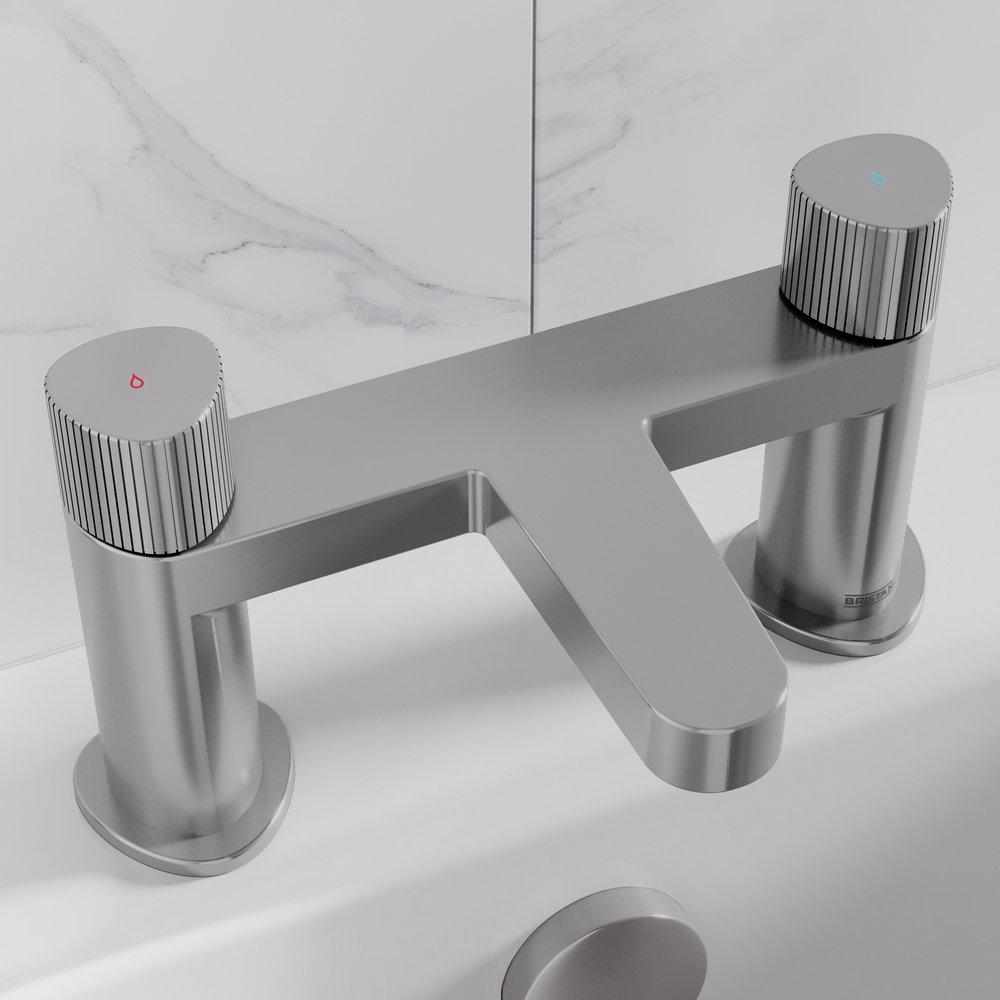
How Long Do Ceramic Discs Last in Taps?
Ceramic discs are designed to last for decades, with many manufacturers offering warranties of 20 years or more. This exceptional longevity is one of their standout features. However, their lifespan can vary depending on the water quality in your area and the tap’s overall build quality.
For example, the Nuie Series 2 Swivel Spout Mono Basin Mixer with Waste showcases an elegant design and robust ceramic disc technology that promises decades of reliable performance when well-maintained. As long as sediments are cleaned periodically, you can count on these taps to remain in excellent condition.
Why Ceramic Disc Valves Are a Worthwhile Investment
By switching to ceramic disc valve taps, you not only enjoy a more efficient and durable tap but also reduce the need for frequent repairs and replacements. Their modern design, combined with their practical benefits, makes them a popular choice for both bathrooms and kitchens alike.
Whether you’re tackling a bathroom renovation or just replacing an old, leaky tap, investing in taps with ceramic disc valves ensures long-term performance and convenience. Browse our extensive collection of modern mixer taps and feature-packed bath fillers today to find your perfect match.