
 Low Online Discount Prices
 Fast Delivery
 Safe and Secure Online Checkout
Figuring out where to position a radiator isn’t just a matter of convenience; it’s a critical detail that influences heating efficiency, energy bills, and even the overall aesthetic of your home. Whether you’re renovating, upgrading, or installing radiators for the first time, understanding where to position them can make all the difference in keeping your home warm without wasting energy.
This guide will walk you through everything you need to know about positioning a radiator. From combating draughts in older homes to optimising modern heating systems, Showers to You explores the best placements for different rooms and shares practical tips to ensure you get the most out of your radiators.
Why radiator positioning matters
Heat efficiency
Placing radiators in the right spots ensures optimal heat distribution, keeping your entire room warm while minimising cold spots. This can significantly reduce the strain on your heating system and improve energy efficiency.
Cost savings
Efficient heating ensures you’re not overusing your boiler to compensate for poorly placed radiators. An efficient layout can lower energy bills and reduce wear and tear on your heating system.
Interior aesthetics
Your radiator should fit naturally into your room design. Careful placement avoids obstructing furniture while using vertical or designer radiators can enhance the look of your space.
Specific needs for older homes
Homes with single-glazing or poorly insulated walls often experience draughts and heat loss. To counteract these issues and ensure even warmth, it’s important to position a radiator strategically.
Now that we’ve covered the importance of radiator placement let’s explore considerations for specific spaces in your home.
Factors to consider before choosing radiator placement
Room size
Larger rooms may need multiple radiators to heat them evenly. A standard rule suggests installing one radiator every four metres of wall space in larger rooms.
Insulation and glazing
In older homes with single glazing, it’s beneficial to position a radiator in colder areas to help combat draughts. For newer, well-insulated homes, radiators can be placed more flexibly as draughts are less of a concern.
Window placement
Windows are typically the coldest areas of a room and are highly prone to heat loss. Placing radiators beneath windows or along exterior walls helps combat the cold air coming through the window.
Furniture layouts
Do not position a radiator behind large furniture, like sofas or wardrobes, as it can block heat circulation. Maintain a clear path to allow warmth to flow evenly.
Airflow clearance
Leave at least 100mm (10cm) below and above radiators for airflow. This prevents heat from being trapped and ensures effective distribution.
Best radiator placement for each room
Living areas
Even heat distribution
Living rooms are where people usually spend a lot of their time, so maintaining even warmth across the space is essential. Position radiators under windows to counteract cold draughts or use two smaller radiators spaced across the room for balanced heat. For example, Eastbrook Compact Radiators come in a variety of sizes, making them suitable for different layouts.
Design considerations
If style is a concern, opt for sleek vertical radiators that can be positioned beside doors or near windows while using minimal wall space.
Top Tip: If your living area has substantial furniture, ensure sofas or curtains don’t block the radiator. Anything obstructing circulation can reduce efficiency by up to 15%.
Kitchens
Kitchens present unique challenges when you need to position a radiator due to limited wall space and heat from cooking appliances.
Avoid appliances
Avoid placing radiators near ovens, fridges, or freezers. The heat from radiators forces these appliances to work harder, consuming more energy and increasing running costs. Instead, put your radiator on the opposite wall from your appliances, or consider vertical radiators in narrow spaces.
Under-window options
If you have free space beneath a kitchen window, a radiator works great here to counter kitchen draughts. Just ensure any blinds or curtains don’t hang over the radiator.
For compact kitchens
If wall space is limited, a kick-space heater installed below cabinets is a smart solution to provide heating without occupying valuable surfaces.
Bedrooms
Optimising for comfort
Bedrooms should feel cosy without being overly warm. Position radiators on interior walls for better heat retention. If your window is a source of cold, installing the radiator beneath it ensures the room is evenly heated.
Use thermostatic radiator valves (TRVs)
A TRV allows you to lower the bedroom’s temperature for a comfortable sleeping environment. Bedrooms are best kept at around 18°C for optimal sleep quality.
Small bedroom tips
Vertical radiators are ideal for smaller bedrooms. They save space and offer efficient heating. Ensure the placement doesn’t obstruct wardrobes or bed frames.
Bathrooms
Bathrooms require heating solutions that serve two purposes – keeping the space comfortably warm while ensuring towels dry efficiently. To determine the right heating options for your bathroom, understanding the required BTU (British Thermal Units) is essential. Learn more about How to Calculate BTU in the Bathroom in our detailed blog post for guidance tailored to your needs.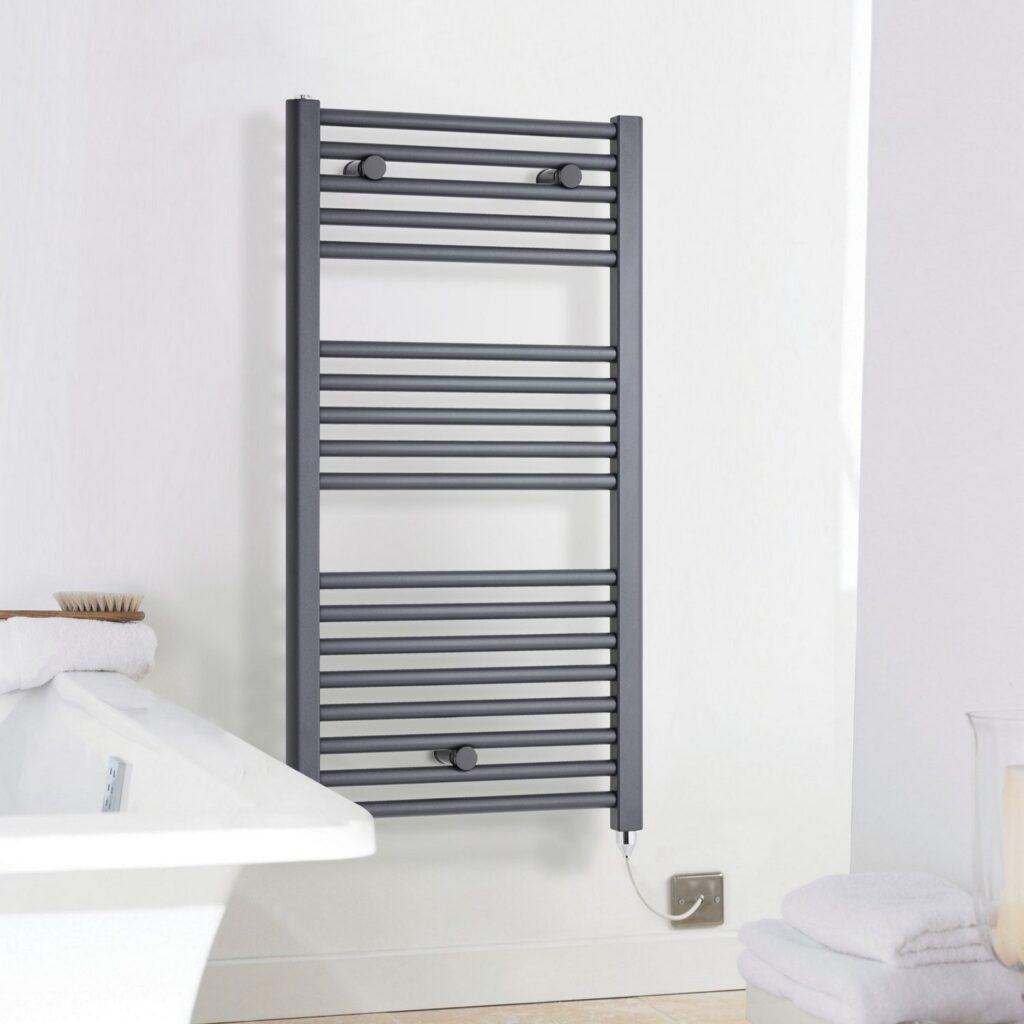
Towel radiators
Installing a heated towel rail close to the bath or shower provides convenience and keeps towels warm and dry. Opt for dual-fuel towel rails for year-round functionality. During the summer months, when your central heating is off, the electric element can independently heat your towel rail.
The Burlington Trafalgar Brushed Nickel Towel Radiator is an excellent choice, praised for its aesthetics and performance. Rosemary K’s glowing five-star review highlights its appeal, stating, “Absolutely loved the look of this in our new bathroom – gives out a good heat.”
Safety in bathroom zones
Always choose radiators that comply with bathroom safety standards and consider IP ratings, especially for electric models. For a detailed explanation of bathroom zones, check out our blog on Bathroom IP Ratings.
Hallways and entrances
Tackling cold draughts
Radiators near external doors help combat incoming cold air, creating a warm barrier. Low-profile or vertical radiators work well in tight spaces.
Central Heating vs Underfloor Heating
Hallways benefit significantly from underfloor heating, as it uniformly heats the floor and doesn’t take up wall space. However, if you prefer radiators, compact vertical designs are a good choice for hallways with limited room. We have a comprehensive and detailed guide on Underfloor Heating vs Radiators, providing you with all the information you need to make an informed decision.
Larger rooms
Balancing heat with multiple radiators
For large spaces, a single oversized radiator may create uneven heating. Using two or more smaller radiators spaced apart ensures balanced warmth throughout the room.
Zone control
If the room has distinct areas (like a seating corner in a living room), use separate radiators with TRVs to adjust temperatures for each zone, enhancing energy efficiency.
Common radiator positioning mistakes to avoid
- Blocking radiators with furniture, curtains, or shelves significantly reduces their efficiency.
- Overcrowding small spaces with oversized radiators adds unnecessary heat and strains your system.
- Ignoring temporary fixes like insulating behind radiators or adjusting TRVs according to room use.
Takeaways for smart radiator placement
Selecting the right spot for your radiators doesn’t just improve heating efficiency but also enhances comfort and energy savings. Remember:
- Use the coldest part of the room, such as beneath the window, to combat cold drafts effectively.
- Position radiators opposite appliances to maintain efficiency and functionality.
- Explore options like dual-fuel towel rails, such as Reina Ottone Heated Towel Rails, for bathrooms or compact radiators for tight spaces.
Smart placement paired with reliable radiator options ensures optimum warmth and comfort, regardless of the season.