
 Low Online Discount Prices
 Fast Delivery
 Safe and Secure Online Checkout
For many families, the bathroom is a central part of the daily routine. However, it can also be one of the most hazardous rooms in the home for young children. When it comes to children, these dangers are even more significant. This guide from Showers to You will provide essential tips to improve bathroom safety for your little ones.
Water Temperature Safety
A child’s skin is far more sensitive than an adult’s, making them highly susceptible to scalding. Hot water can cause serious burns in seconds, so managing water temperature is a critical aspect of child bathroom safety.
Ideal Water Temperature
The ideal bath water temperature for a baby or young child is between 37-38°C. This is comfortably warm without being hot. The most reliable way to check this is with a bath thermometer. Alternatively, you can use your elbow to test the water; it should feel neither hot nor cold. Always run the cold water first before adding hot water to prevent the tap from becoming dangerously hot.
Thermostatic Showers and Taps
To remove the guesswork and add a layer of protection, consider installing thermostatic taps and showers. These devices automatically regulate water temperature, preventing sudden spikes that can occur when a tap is used elsewhere in the house. Thermostatic Bar Showers and Thermostatic Electric Showers maintain a consistent, pre-set temperature, providing peace of mind. Many models also feature cool-touch technology, such as the Bristan Zing Cool Touch Bar Mixer with Standard Connections, ensuring the surface of the tap or valve does not get hot enough to burn.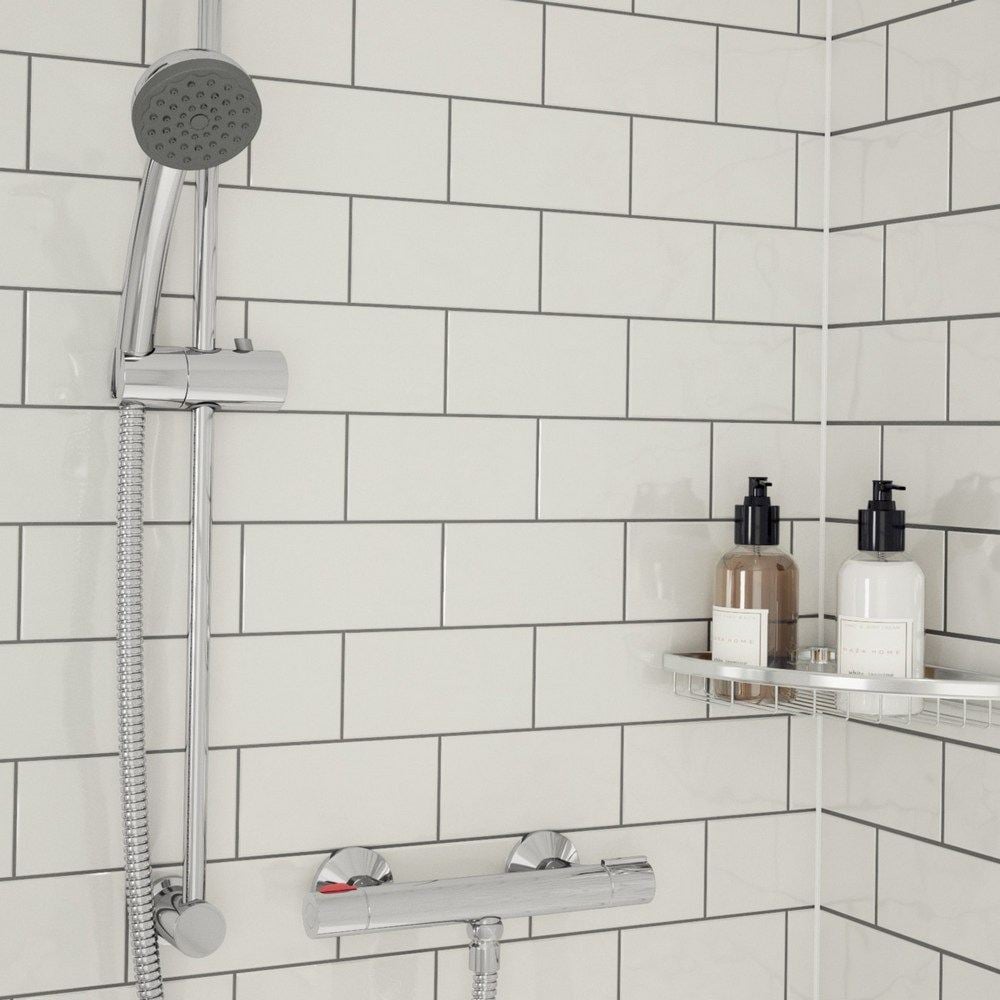
Preventing Drowning
Drowning is a silent and swift danger, and the bathroom is where it most commonly occurs for young children. It can happen in as little as two inches of water.
Constant Supervision
The most important rule is to never leave a young child unsupervised in the bath, not even for a moment. A ringing phone or a knock at the door can wait. If you must leave the bathroom, take your child with you. Prepare everything you need—towel, soap, toys—before you start running the water.
Safe Bath Depth
For babies and toddlers, a safe bath depth is approximately 8-10cm. This provides enough water for a wash without posing an excessive risk. Never leave the water running while your child is in the tub, as the depth can increase quickly. Once bath time is over, drain the tub immediately.
Preventing Slips and Falls
With its hard, wet surfaces, the bathroom is a prime location for slips and falls.
Non-Slip Surfaces
Place non-slip mats both inside the bathtub and on the bathroom floor. For showers, anti-slip shower trays offer a textured surface for better grip. For infants, a bath cradle can provide secure support, keeping them stable and reducing the risk of slipping under the water.
Secure Fixtures
Ensure all fixtures, like towel rails and grab bars, are securely fastened to the wall. Children may be tempted to pull or hang on them, and a loose fixture can lead to a serious fall.
Storage of Harmful Substances
Bathrooms often store items that are hazardous to children. Curious toddlers are known for exploring, so secure storage is vital.
Lock Away Dangers
Medicines, cleaning products, and even toiletries like colourful shampoos can be attractive to children. Store these items in a high, locked cabinet. If your only storage is low to the ground, such as a vanity unit, install childproof locks on the doors and drawers.
Safe Storage for Sharp Objects
Razors, nail scissors, and tweezers should be stored well out of a child’s reach. The same applies to electrical appliances like hair straighteners and dryers, which should be unplugged and put away after use.
Bathroom Safety Design Considerations
When designing or updating a family bathroom, certain choices can improve safety.
Secure Wall Fixtures
Wall-mounted basins and toilets must be securely fixed to the wall to withstand the weight of a child who might try to climb on them.
Bath and Shower Choices
Corner baths can help contain splashing to one area of the room, reducing wet floors. Shower baths with a glass screen are also effective at keeping water inside the bathing area, minimising slip hazards.
Tap and Electrical Safety
Single-Handle Taps
Single-handle mixer taps, like the Scudo Core Mono Basin Mixer in Brushed Brass, are often easier for children to use as they get older, but more importantly, they make it simpler for parents to control the mix of hot and cold water.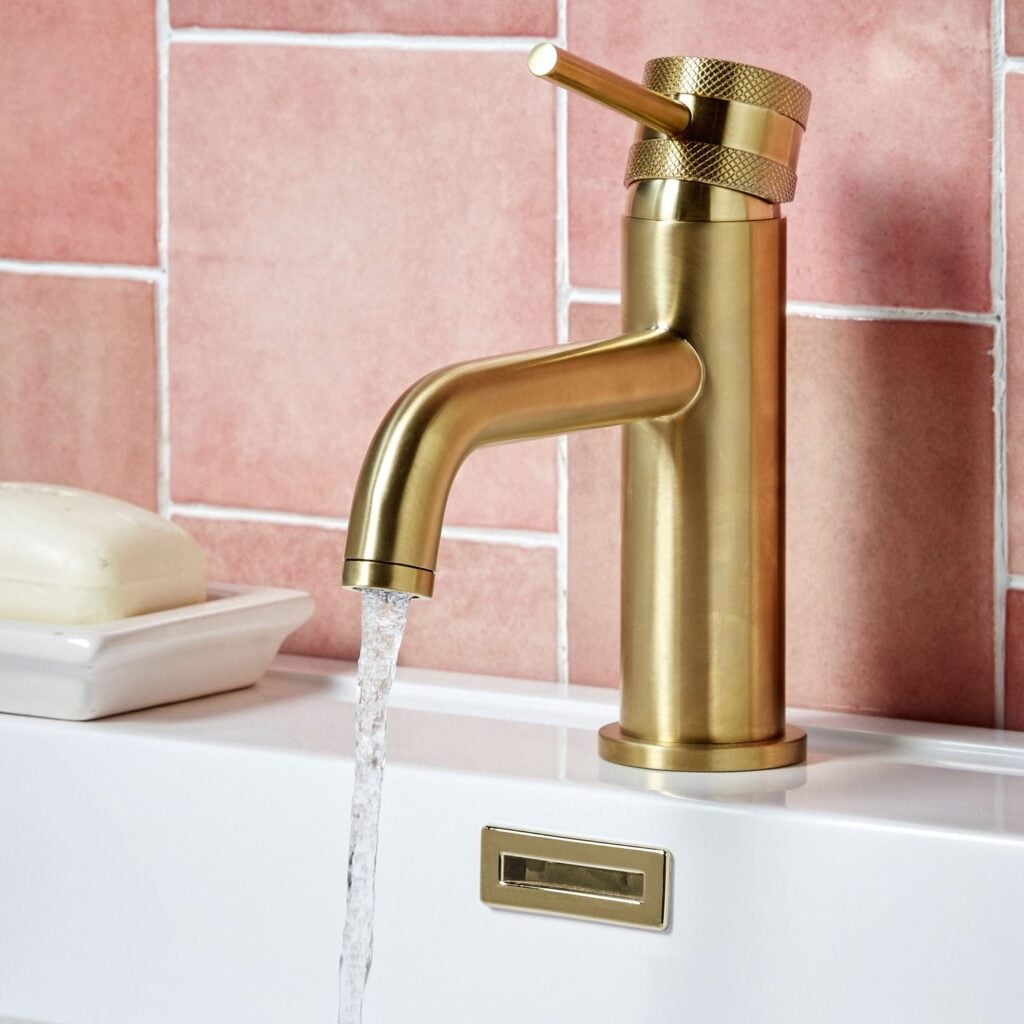
Electrical Safety
Electrical sockets should be installed far away from baths and showers to prevent the risk of electrocution. Ensure children are completely dry before they touch any electrical device.
Door Safety
A locked door can be a hazard in an emergency. Install a lock high on the outside of the door to prevent young children from entering the bathroom alone. For older children, use a lock that can be easily opened from the outside in an emergency.
Final Checks for Bathroom Safety
A few extra measures can add further layers of safety.
- Night Lights: A night light can help prevent trips and falls during nighttime visits to the toilet.
- Check Tap Handles: Regularly check that tap handles are secure and won’t come off in a child’s hand.
- Toilet Lid: Keep the toilet seat down. Consider a toilet seat lock to prevent toddlers from falling in or playing with the water.
Your Next Steps for a Safer Home
Creating a child-safe bathroom requires vigilance and a few practical adjustments. By assessing your current setup and implementing these safety measures, you can significantly reduce the risk of accidents. Taking action now will help ensure that bath time remains a fun and safe experience for your children.