
 Low Online Discount Prices
 Fast Delivery
 Safe and Secure Online Checkout
Replacing an old or outdated bathroom sink is an excellent way to refresh your bathroom’s appearance without undertaking a full renovation. Whether your current basin is damaged or you simply want a more modern design, installing a new sink is a manageable DIY project for most homeowners. This comprehensive guide will walk you through every stage of how to install a bathroom sink, from disconnecting the old unit to securing the new one. We will cover the tools you need, the steps to follow, and offer some useful tips to ensure a smooth and successful installation. By following this guide, you can confidently tackle this project and achieve a professional-looking result.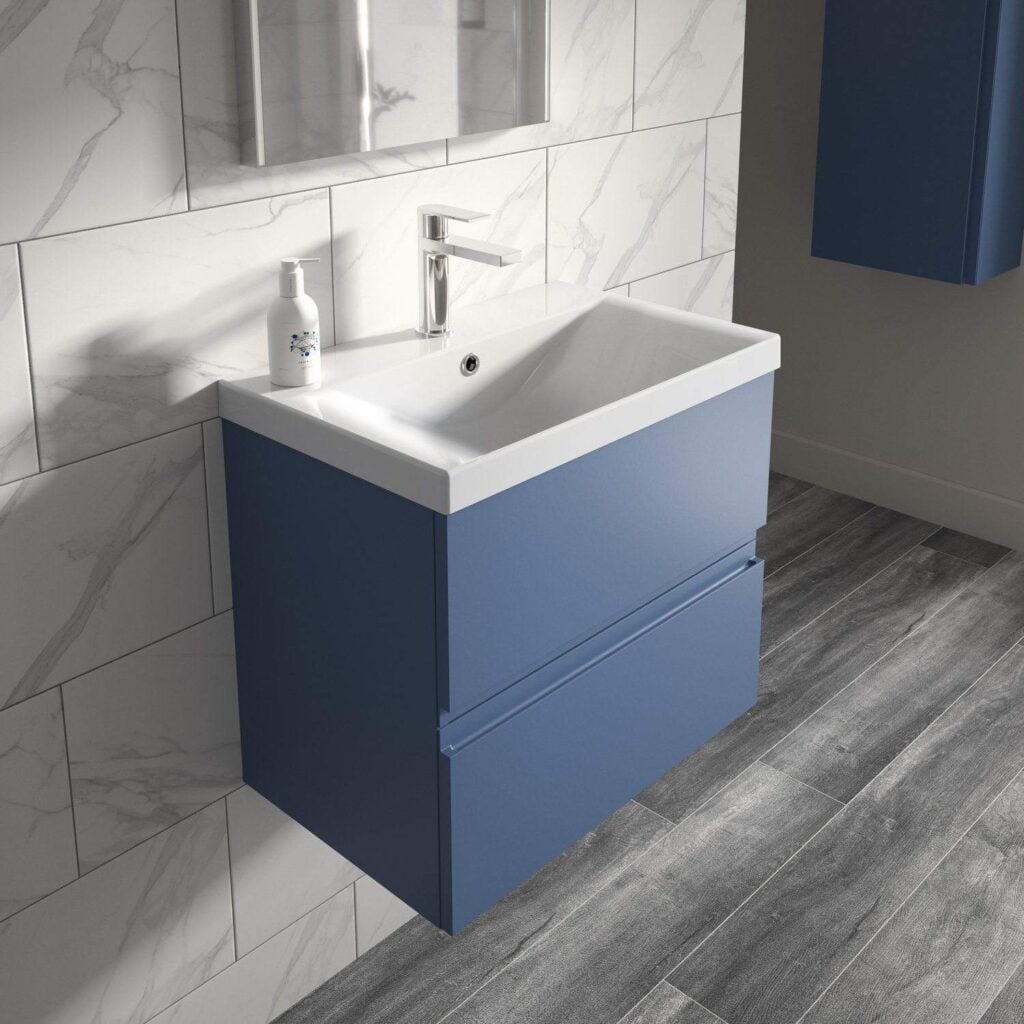
Tools and Materials You’ll Need
Before you start, it’s essential to gather all the necessary tools and materials. Having everything on hand will make the process much more efficient.
Tools:
- Adjustable Spanner & Pliers: For tightening and loosening nuts on pipes and fittings.
- Screwdrivers: A set of various sizes will be useful.
- Plumbing Sockets: For reaching and tightening nuts in tight spaces.
- Spirit Level: To ensure your new sink is perfectly level.
- Drill & Drill Bits: Required for creating pilot holes for fixings. Ensure you have bits suitable for your wall type (e.g., masonry or tile).
- Pencil & Tape Measure: For accurate marking and measuring.
- Silicone Sealant & Cartridge Gun: To create a waterproof seal around the sink.
- Bucket & Old Towels/Sheets: To catch any water spills and protect your floor.
- Utility Knife: For cutting through old sealant.
Materials:
- New Bathroom Sink/Basin: Choose a style that suits your bathroom.
- Taps and Fixings: Ensure they are compatible with your chosen basin.
- Basin Waste Kit & Trap (S-Trap or P-Trap): To connect the basin to your waste pipe.
- Flexible Tap Connectors: To connect your taps to the water supply.
- Wall & Floor Fixings: The type will depend on your wall (plasterboard, solid wall) and floor (wood, concrete).
Step-by-Step Guide on How to Install a Bathroom Sink
Follow these six steps carefully to install your new bathroom basin correctly and securely.
Step 1: Preparation and Removing the Old Sink
First, you need to prepare the area and safely remove the old sink.
- Turn Off the Water: Locate the isolation valves under the sink and turn them clockwise to shut off the water supply to the taps. If you don’t have isolation valves, you’ll need to turn off the main water supply to your property.
- Drain the Pipes: Open the taps to drain any remaining water from the pipes. Place a bucket underneath to catch any drips.
- Disconnect Plumbing: Use an adjustable spanner to disconnect the flexible tap connectors from the water supply pipes. Then, loosen the compression nuts on the waste trap and disconnect it from the basin waste. Have your bucket ready to catch water from the trap.
- Remove Old Sealant: Use a utility knife to carefully cut through the silicone sealant around the edges of the old sink where it meets the wall or vanity unit.
- Remove the Old Sink: Unscrew the fixing bolts that secure the basin to the wall or pedestal. Carefully lift the old sink away and place it aside. Clean the area, removing any remaining sealant and debris.
Step 2: Install New Taps and Drain
It’s much easier to install the taps and waste assembly onto the new basin before you fit it into place.
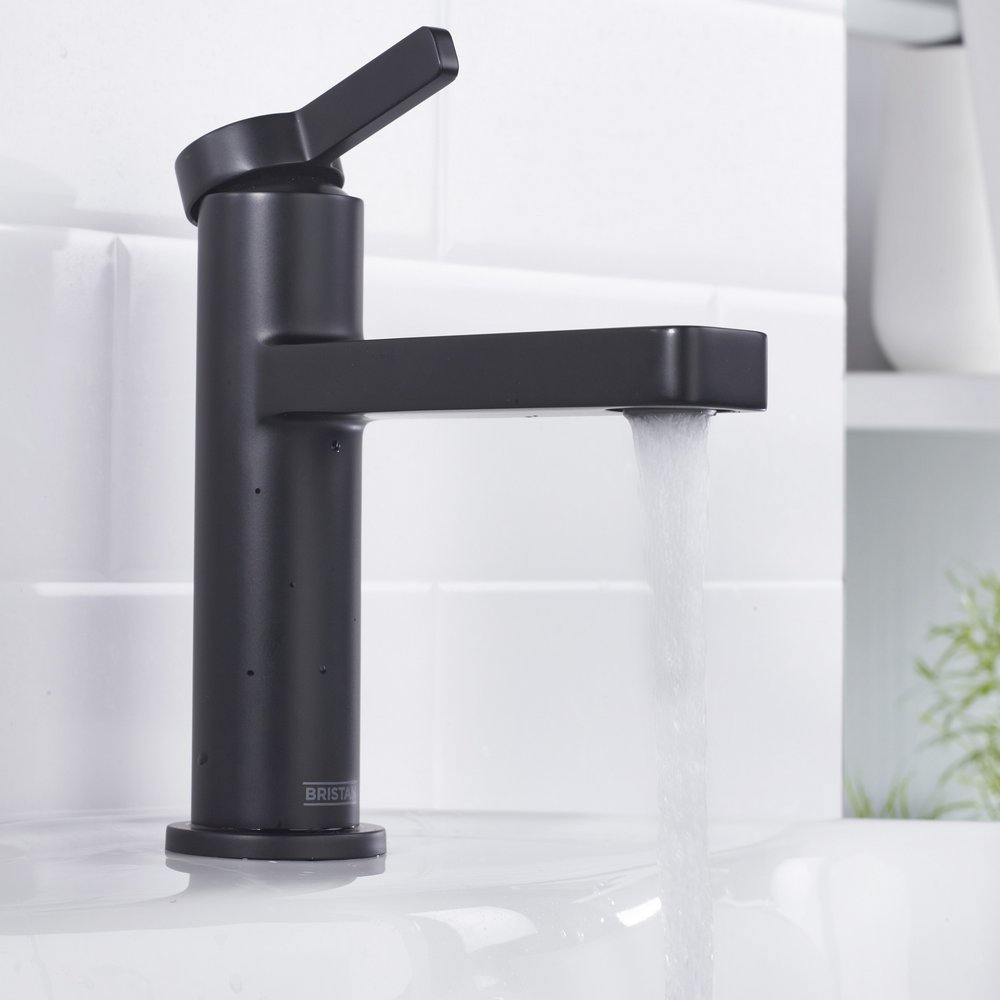
- Fit the Taps: Some basins come with pre-drilled holes for either a single Basin Mixer Tap or a pair of Basin Taps. Insert the tap(s) into the hole(s). Most Bristan Basin Mixer Taps, like the Bristan Elevar Black Basin Mixer with Clicker Waste, are supplied with flexible tails, which makes connecting to the water supply easier. Secure the taps from underneath using the provided nuts and washers, tightening them with a basin wrench or plumbing socket. If you need more detailed instructions, our handy blog post explains how to install a Tap.
- Install the Waste: Insert the new basin waste into the drain hole from above. From underneath, attach the locking nut and tighten it by hand first, then give it a final nip with a spanner. Ensure the rubber seals are correctly positioned to create a watertight connection.
Step 3: Place the Sink
Now you are ready to position your new sink.
- Position the Sink: Carefully lift the new bathroom basin and place it onto the pedestal or into the cutout of the vanity unit.
- Check the Level: Use a spirit level to ensure the sink is level from front to back and side to side. If it’s not level, use shims to adjust it.
- Mark Fixing Holes: Once the basin is correctly positioned, use a pencil to mark the positions for the fixing holes on the wall.
Step 4: Connect the Plumbing
With the sink in position, it’s time to connect the water and waste pipes.
- Connect Tap Tails: Reach under the basin and connect the flexible tap tails to the hot and cold water supply pipes. The hot tap is usually on the left. Hand-tighten the nuts first, then use a spanner for a final quarter-turn. Be careful not to overtighten, as this can damage the washers.
- Attach the Waste Trap: Connect the new S-trap or P-trap to the bottom of the basin waste. Ensure all seals and washers are in place before tightening the compression nuts. Align the trap with the waste pipe coming from the wall or floor and connect it securely. If you run into any issues in the future, our guide on How to Unblock a Basin can help.
Step 5: Secure the Sink
The final installation steps involve securing the sink and applying sealant.
- Fix to the Wall: Drill pilot holes where you marked the fixing points earlier. Insert wall plugs if you are fixing to a solid wall. Secure the basin to the wall using the fixing bolts provided. Do not overtighten, as this can crack the ceramic.
- Apply Sealant: Apply a neat bead of silicone sealant along the back edge of the basin where it meets the wall. If you have a pedestal, apply sealant around the base where it meets the floor. Use a wet finger or a sealant profiler tool to smooth the bead for a clean, waterproof finish.
Step 6: Final Checks
Before you can admire your work, perform these final checks.
- Turn the Water On: Slowly turn the water supply back on at the isolation valves or the mains.
- Check for Leaks: Turn on the taps and let the water run for a few minutes. Thoroughly check all connections – the tap tails, the waste, and the trap – for any signs of dripping. If you spot a leak, turn the water off and tighten the relevant connection slightly.
- Allow Sealant to Cure: Let the silicone sealant cure fully according to the manufacturer’s instructions before using the sink. This usually takes around 24 hours.
Tips and Tricks on How to Install a Bathroom Sink
- Protect Surfaces: Always place the new ceramic basin on a soft surface, like an old towel or cardboard, to prevent scratches or chips while you work on it.
- Choose the Right Fixings: The fixings provided with a sink are often for solid masonry walls. If you have plasterboard walls, you will need to purchase specialist plasterboard fixings for a secure installation.
- Don’t Overtighten: Ceramic can crack under too much pressure. Tighten nuts and bolts until they are snug, then give them a final quarter-turn.
- Dry Fit First: Before applying any sealant, do a “dry fit” of all components to ensure everything aligns correctly. This will help you spot any potential issues before they become a problem.
Ready to Complete Your Bathroom?
Installing a new bathroom sink is a rewarding project that can significantly improve the look of your bathroom. With the right tools and a methodical approach, you can achieve a professional and leak-free installation.
Frequently Asked Questions
Can I fit a bathroom sink myself?
Yes, you can definitely install a bathroom sink yourself. If you have basic DIY skills and the right tools, this guide from Showers to You provides all the steps you need to complete the job confidently. It’s a great way to save money on your bathroom renovation.
Do I need a plumber to install a bathroom sink?
In most cases, you shouldn’t need a plumber to install a new bathroom basin. The project involves straightforward plumbing connections. However, if the water supply lines need to be moved or replaced, or if you encounter complex plumbing issues, it is best to call a qualified plumber.