
 Low Online Discount Prices
 Fast Delivery
 Safe and Secure Online Checkout

Electric Heating Buyers Guide
Choosing the correct electric radiator or heated towel rail can significantly enhance your home's comfort and energy efficiency. With a myriad of options available, selecting the perfect fit might seem overwhelming. However, understanding the key factors such as size, style, and energy consumption can simplify your decision-making process. This helpful buying guide from Showers to You is designed to help you navigate these choices with ease, ensuring that you find an electric radiator that meets your specific needs while optimising energy use.
What is Electric Heating?
Electric radiators and towel rails are standalone heating devices designed to generate heat using electricity, making them an excellent alternative for fully electric homes. Unlike central heating systems that rely on a gas boiler and an intricate network of pipes, electric radiators and heated towel rails offer a straightforward and efficient heating solution. These devices are particularly advantageous in homes without a gas supply, providing flexibility and ease of installation.
Do electric radiators use a lot of electricity?
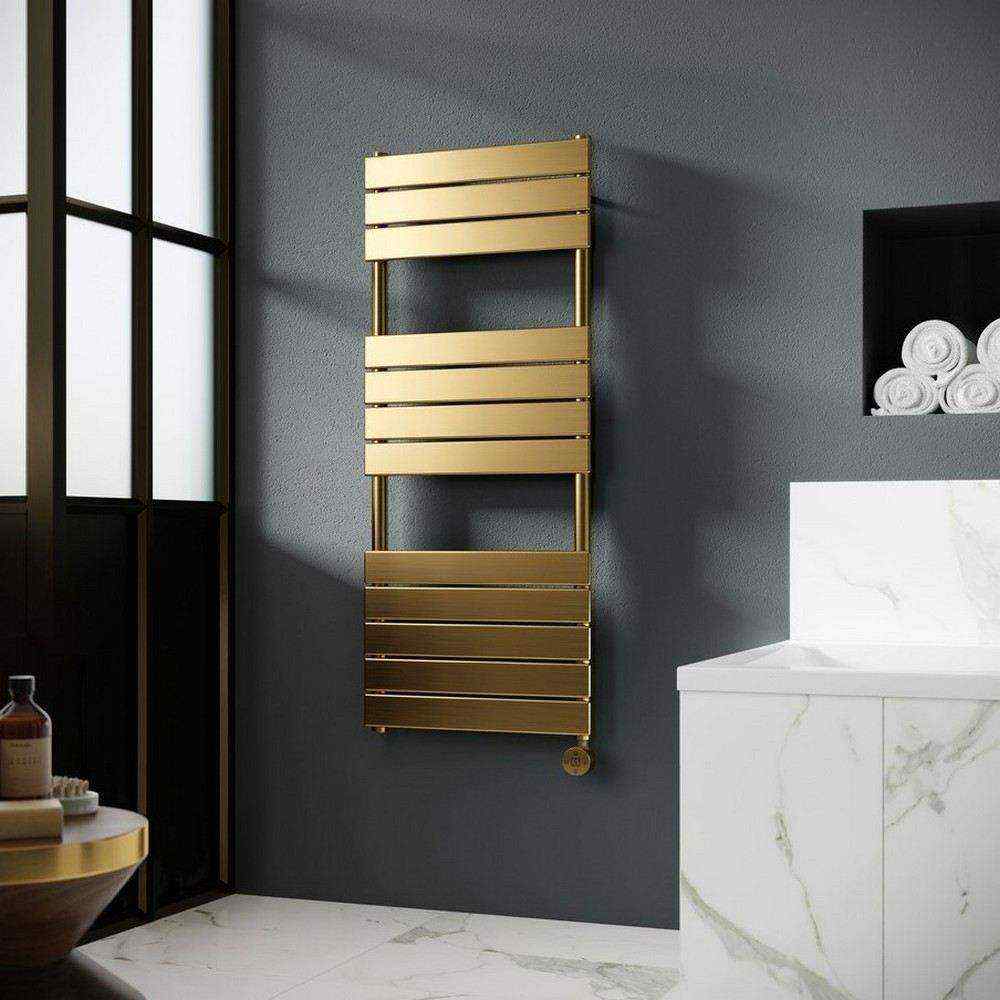
Electric heated towel rails and radiators do consume electricity, but modern models are crafted with energy efficiency in mind. They often come equipped with programmable thermostats and timers, like the collection of Kartell Capri Smart Panel Radiators, which help regulate energy use by allowing you to heat specific rooms only when necessary. The actual electricity usage of an electric radiator can vary based on several factors, including the radiator's size, the room's dimensions, and the home's insulation quality.
What is the most efficient type of electric radiator?
The most efficient type of electric radiator is the dry thermal radiator. These radiators operate using a dry heating element that generates heat, which is then evenly spread across the surface of the radiator. This design allows for rapid heat-up times and superb heat retention, significantly reducing energy consumption.
Do electric radiators cost much to run?
Analysing the running costs of electric radiators involves several factors that influence their overall expense. Generally, electric radiators can be more costly to operate than gas central heating systems because of higher electricity rates. However, their efficient design and ability to heat specific rooms individually provide an opportunity to manage and potentially reduce expenses.
What are the disadvantages of electric heating?
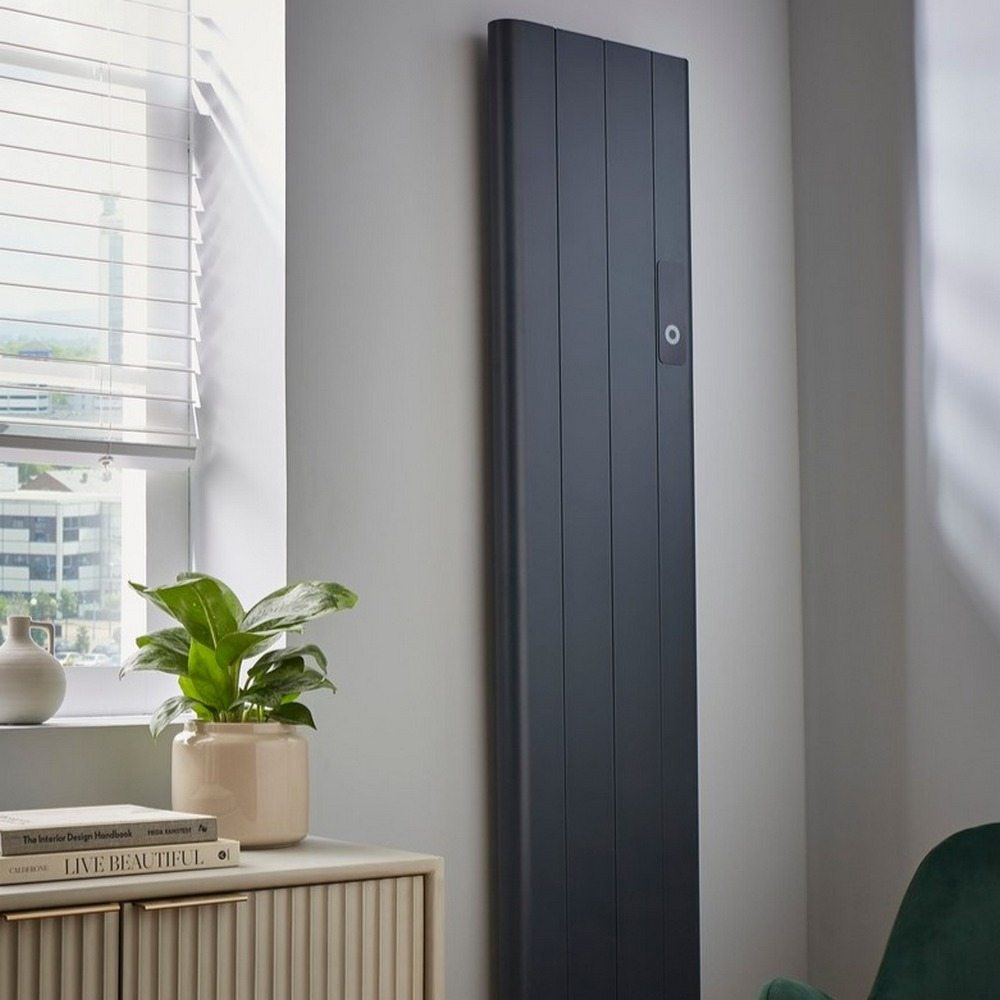
- Higher Running Costs: Electric radiators and heated towel rails tend to have higher running costs compared to gas heating systems, primarily due to the cost of electricity. While their efficiency in heating specific rooms can help manage expenses, the overall price can still be a concern for some users.
- Electrical Supply Requirements: These radiators require a robust electrical supply, which might not be feasible for homes with limited electrical capacity. Ensuring your home can handle the additional load is crucial before opting for electric radiators.
- Limited Whole-House Heating: Although efficient for heating individual rooms, electric radiators and towel rails may struggle to maintain consistent temperatures throughout larger homes. For whole-house heating, a more comprehensive heating solution may be necessary.
- Installation Costs: Depending on your home's existing electrical infrastructure, installation costs can add up, especially if additional electrical work is required to accommodate the radiators. Find out more in our How to Install a Radiator guide.
- Vulnerability to Power Outages: As electric radiators rely entirely on electricity, they are susceptible to power outages. This dependence on electricity can leave you without heating during a power failure, which might be a significant drawback in regions prone to outages.
Are electric radiators cheaper than central heating radiators?
When comparing the costs of electric radiators to central heating radiators, it's clear that electric models usually come with a higher upfront price tag. For instance, the Reina Maia 500 x 544mm Horizontal Electric Radiator is more expensive than the Eastbrook Type 11 500 x 500mm Compact Panel Radiator or the Kartell K-Rad Kompact 500 x 500mm Type 11 Radiator, both of which are more budget-friendly options for those using central heating systems.
Similarly, when looking at heated towel rails, the Reina Capo Flat 800 x 400mm Electric Chrome Heated Towel Rail also costs more compared to the dual fuel version of the same model, the Reina Capo 800 x 400mm Chrome Flat Heated Towel Rail. This price difference underscores the general trend where electric heating solutions tend to be pricier than their central heating counterparts.
However, it's essential to consider the advantages that electric radiators and towel rails offer. They provide the convenience of easier installation since there's no need for plumbing or a central heating system. Moreover, they deliver flexibility in heating individual rooms or spaces, allowing for more personalised temperature control.
Is it cheaper to leave a heated towel rail on?
It's not cheaper to leave a heated towel rail on continuously, as it leads to unnecessary energy consumption and higher costs. Use the towel rail only when needed, like before and after showers. Consider using a timer or smart plug to manage its usage efficiently, ensuring it's only on when necessary.
What electric wattage do I need?
To determine the appropriate wattage for an electric heated towel rail or radiator, you'll need to consider the size of the room you want to heat. Here's a simple guideline to help you estimate:
- Measure the Room Size: Calculate the room's volume by multiplying its length, width, and height (in meters).
- Calculate the Required Wattage:
- For a well-insulated room, multiply the volume by 25 watts.
- For an average-insulated room, multiply the volume by 30 watts.
- For a poorly insulated room, multiply the volume by 40 watts.
These calculations will give you a rough estimate of the wattage needed to heat the space adequately. If you have specific details about the room or need further assistance, feel free to share!
Are Electric Radiators and Electric Heated Towel Rails efficient?
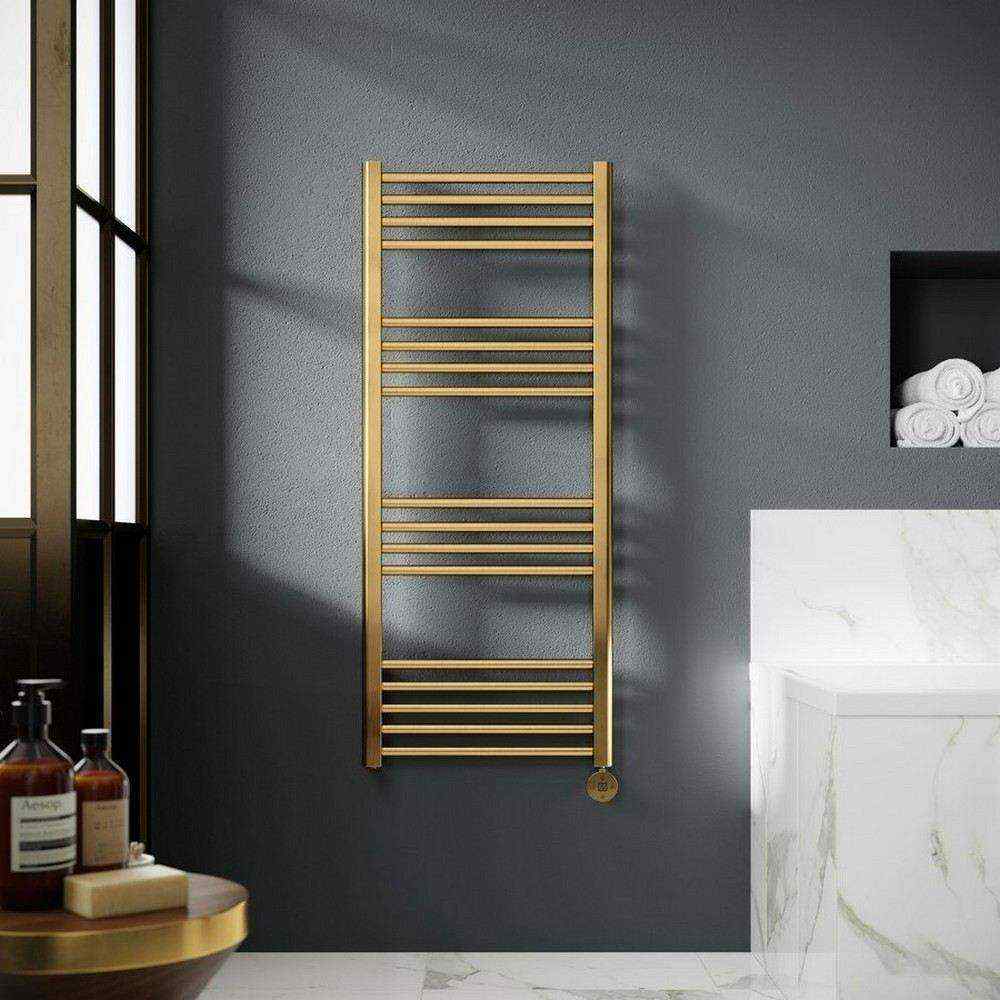
Electric radiators are highly efficient heating solutions as they convert nearly all the electricity they consume into heat, ensuring minimal energy waste. This efficiency allows for precise temperature control and the ability to heat specific rooms, effectively reducing energy usage in unoccupied areas. Reina Electric Radiators, for example, are wall-mounted electric radiators, making them a convenient and space-saving option. However, it's essential to consider that despite their efficient energy conversion, the cost of electricity can make them more expensive to operate compared to other heating systems.
Why should I buy an Electric Radiator or Heated Towel Rail from ShowerstoYou?
With over 40 years of experience, ShowerstoYou is your trusted source for electric radiators and electric heated towel rails. We offer a broad selection to match any budget, style, or preference, ensuring you find the perfect heating solution for your home. Our team of experts is dedicated to providing you with knowledgeable recommendations tailored to your needs. For personalised assistance, reach out to us via email at info@showerstoyou.co.uk, call us at 01472 242159, or use our contact form.