
 Low Online Discount Prices
 Fast Delivery
 Safe and Secure Online Checkout
Sealing your bath is an essential task that can save you from costly repairs down the line. Whether you’re a DIY enthusiast, a homeowner keen on maintenance, or a bathroom renovator, learning how to seal a bath properly is a valuable skill. This latest blog post from Showers to You will guide you through the process, offering practical advice and tips to ensure a professional finish. By the end of this article, you’ll know exactly how to protect your bathroom from water damage and keep it looking pristine.
Understanding the Importance of Sealing a Bath
Sealing a bath isn’t just about aesthetics; it’s a crucial step in preventing water damage, mould, and mildew. When water seeps into the gaps between your bath and the walls, it can cause significant structural issues over time. Ensuring your bath is adequately sealed is not only a preventive measure but also a way to maintain your home’s value.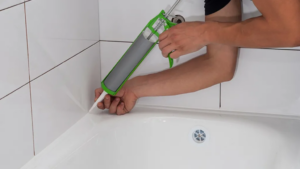
Preparing for Sealing
Before you start to seal your bath, you’ll need to gather the right tools and materials. Here’s a checklist to help you get started:
- Sealant gun
- Silicone caulk (preferably one that’s mould-resistant)
- Scraper or utility knife
- Isopropyl alcohol or a non-residue cleaner
- Masking tape
- Clean cloth or sponge
Having all these items ready will streamline the process and prevent any mid-task interruptions.
Step-by-Step Guide on How to Seal Your Bath
- Clean the Area: Use a scraper or utility knife to remove any old sealant and debris carefully. Clean the surface with isopropyl alcohol to ensure it’s residue-free. A clean surface ensures better adhesion for the new sealant. We have also written a detailed blog post on how to clean a bath for a spotless finish.
- Fill the bath: When a bath is filled, it holds a lot of weight, so you will need to apply the silicone where there is weight. The bath needs to be filled up to two-thirds full.
- Dry Thoroughly: Make sure the bath and surrounding areas are completely dry. Moisture can prevent the sealant from setting correctly, leading to ineffective sealing.
- Apply Masking Tape: Apply masking tape parallel to the edges of the gap you’ll be sealing. This step creates a guide for a neat sealant line and prevents excess sealant from spreading.
- Load the Sealant Gun: Insert the silicone caulk into the gun, cut the tip off the nozzle at a 45-degree angle, and puncture the inner seal.
- Apply the Sealant: Squeeze the trigger evenly as you move the gun along the gap. Try to apply a consistent bead of sealant without stopping, as this will create a more uniform seal.
- Smooth the Sealant: Use a wet finger or a sealant-smoothing tool to press the sealant into the joint and smooth the surface. This not only ensures good adhesion but also gives a professional finish.
- Remove the Tape: Carefully peel off the masking tape while the sealant is still wet. This prevents the sealant from pulling away with the tape, maintaining a clean edge.
- Empty the bath: You can now drain the bath without worrying about any leaks that could cause damage within the bathroom.

Tips and Tricks for a Professional Finish
- Work in Sections: If you’re sealing a large area, work in manageable sections to prevent the sealant from drying before you’ve smoothed it.
- Mind the Temperature: Apply the sealant when the room temperature is steady, ideally between 5°C and 25°C. This ensures the sealant is set properly.
- Avoid Overfilling: Applying too much sealant can lead to a messy finish. Stick to a consistent bead size for the best results.
Maintaining a Sealed Bath
To prolong the life of your sealant, regularly check for signs of wear and tear. Clean the sealed areas with a mild, non-abrasive cleaner to prevent mould build-up. If you notice any cracks or peeling, it may be time to reapply the sealant. Typically, a good sealant should last between 5 to 10 years, depending on use and maintenance.
By following these steps and tips, you can ensure your bath remains sealed and protected. If you’re eager to learn more home improvement skills or need expert advice, consider joining our community of DIY enthusiasts for regular updates and tips.