
 Low Online Discount Prices
 Fast Delivery
 Safe and Secure Online Checkout
Bathroom condensation is more than just an annoying inconvenience. It can lead to long-term damage if left unresolved. Whether it’s foggy mirrors, damp walls, or dripping windows, condensation is a persistent issue for many homeowners. But what causes it, and more importantly, how can you tackle it effectively?
This practical guide from Showers to You will help you understand bathroom condensation, its causes, and the potential problems it can create. Most importantly, we’ll explore five simple and effective ways to deal with condensation once and for all.
What is Bathroom Condensation?
Bathroom condensation occurs when warm, moist air produced by showers and baths comes into contact with cooler surfaces, such as windows, mirrors, or tiled walls. This contact causes the moisture in the air to turn into water droplets, also known as condensation.
While bathroom condensation is often harmless in small amounts, it becomes a significant issue when it’s persistent, leading to problems such as damp patches, peeling paint, or even mould growth. Whether your bathroom is large or small, condensation can impact your space, making it essential to address the issue promptly.
Understanding the Causes of Bathroom Condensation
To effectively deal with condensation, you need to understand what causes it. A combination of environmental factors and daily habits can contribute to the build-up of moisture in your bathroom.
- Lack of Ventilation
Poor airflow is one of the main culprits. Bathrooms without proper ventilation trap warm, humid air, allowing condensation to form quickly on cold surfaces.
- Temperature Differences
Bathrooms are often colder than other parts of the home. When warm steam interacts with these cooler surfaces, condensation becomes inevitable.
- Prolonged Steam Exposure
Long showers or baths can generate more steam than the space can handle, compounding the problem further.
- Single-Glazed Windows
Outdated single glazing provides poor insulation, making windows a primary site for condensation.
- Drying Laundry Indoors
If the bathroom doubles as a drying room for clothes, the extra moisture in the air worsens condensation issues. 
The Impacts of Bathroom Condensation
Ignoring bathroom condensation is not just about dealing with annoying water droplets. It can have serious consequences for both your property and your health.
Property Damage
- Mould Growth
Excessive moisture provides the perfect environment for mould spores to grow, which can spread quickly on walls, ceilings, and grout.
- Material Decay
Persistent dampness can cause wallpaper to peel, paint to bubble, and wooden fixtures to warp over time.
- Window Frame Damage
Condensation accumulating on windows regularly, especially on wooden frames, can lead to rot and structural instability.
Health Risks
Mould growth resulting from condensation isn’t just unsightly. It poses a serious health risk, particularly for those with allergies, asthma, or respiratory conditions. Breathing in mould spores over time can lead to health problems such as chronic coughing, sinus infections, and fatigue.
Now that the causes and risks are clear let’s look at how to combat bathroom condensation effectively.
How to Deal with Bathroom Condensation
Open a Window
One of the simplest ways to combat condensation is by improving ventilation. Open a window during your bath or shower and leave it ajar for at least 15-30 minutes afterwards. This allows the warm, moist air to escape and prevents it from settling on surfaces.
For properties without windows in the bathroom, ensure other rooms have windows open occasionally to maintain good overall ventilation. Our guide on how to ventilate a bathroom without windows details alternative methods in more depth.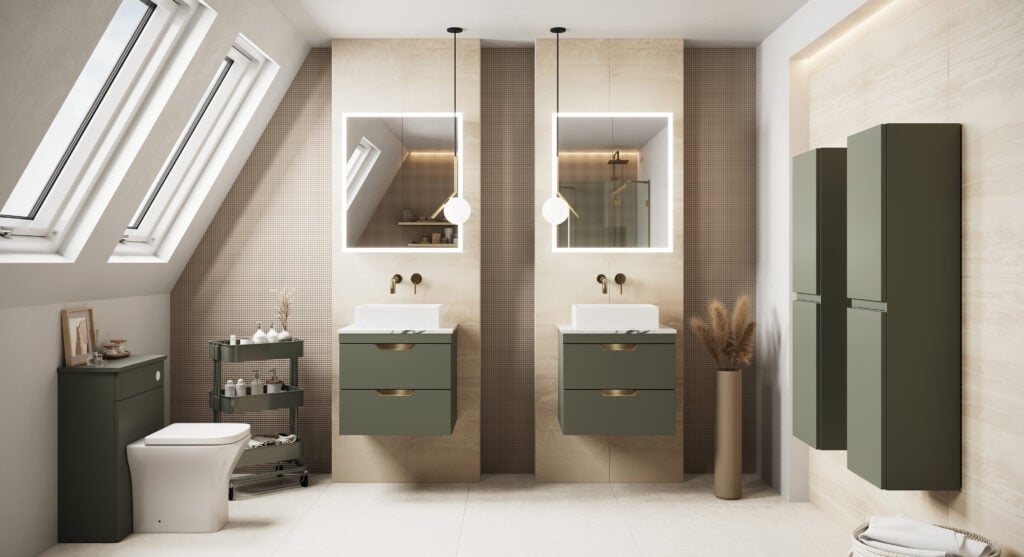
Install or Ensure a Working Extractor Fan
Extractor fans are incredibly effective in removing humid air. If your bathroom doesn’t have one installed, it’s worth the investment. Fans come in a variety of designs, with many modern models offering energy efficiency and low noise levels. Our blog post on extractor fan choices could be worth reading about selecting the right fan for your bathroom.
Already have an extractor fan? Ensure it’s in good working order. Clean it regularly to prevent dust build-up, which can hinder airflow. Ideally, run the fan for 15 minutes after showering to clear moisture effectively.
Add Warmth with Underfloor Heating or a Heated Towel Rail
Increasing the temperature of the bathroom helps reduce condensation on cold surfaces. Underfloor heating systems and heated towel rails are excellent solutions.
- Underfloor Heating
Underfloor Heating provides even warmth, keeping tiles and flooring dry and eliminating cold spots. Check out our Underfloor Heating Comprehensive Guide for more information.
- Heated Towel Rail
Not only will it keep your towels warm and toasty, but it will also increase the surrounding temperature, discouraging condensation build-up.
Though these may require some investment, Heated Towel Rails are long-term solutions that significantly reduce moisture issues.
Wipe Down Surfaces After Use
While not the most glamorous solution, wiping down surfaces after using the bathroom is highly effective. This simple habit prevents moisture from lingering and causing problems over time.
Keep a squeegee or microfibre cloth handy for quickly drying mirrors, tiles, and windows after every shower or bath. The small effort now could save you a significant repair bill in the future.
Upgrade to Double-Glazed Windows
If your bathroom currently has single-glazed windows, consider upgrading to double-glazing. Double-glazed windows provide improved insulation, reducing the risk of condensation forming on the cooler inner pane.
Additionally, modern double-glazed units often come with coatings that minimise condensation, making them a worthwhile upgrade for condensation-prone homes.
FAQ
Should bathroom doors be open or closed for condensation?
Keeping bathroom doors closed during and after a shower can help contain condensation and prevent it from spreading to other areas. However, once you’re done, opening the door and using an extractor fan or window can help ventilate the space and reduce moisture build-up, minimising the risk of mould and mildew.
Is condensation on bathroom walls normal?
Yes, condensation on bathroom walls is normal, especially after hot showers or baths. It occurs when warm, moist air comes into contact with cooler surfaces.
How to stop extreme condensation in a bathroom?
To reduce extreme bathroom condensation, use an extractor fan or open windows, consider a dehumidifier, insulate walls, take shorter showers, and wipe down surfaces after use.
Say Goodbye to Damp Bathrooms
Condensation is a common nuisance in bathrooms, but with the proper preventative measures, you can keep it under control. By improving ventilation, adding warmth, and upgrading materials, you’ll create a space that’s both stylish and functional without the worry of mould, mildew, or long-term damage.
If you’re tackling bathroom condensation, start with simple changes like opening a window or wiping down surfaces after use. For more significant solutions, consider installing a high-quality extractor fan or underfloor heating to ensure a dry, comfortable space all year round.