
 Low Online Discount Prices
 Fast Delivery
 Safe and Secure Online Checkout
Underfloor Heating vs Radiators can be a choice when choosing your new heating system. When it comes to keeping your home warm and cosy, the choice of heating system plays a vital role. Underfloor heating and traditional radiators are two popular options, each offering unique benefits suited to different needs and preferences. With energy efficiency, installation costs, and comfort levels all at stake, understanding the differences is key to making the most informed decision for your space.
This guide will help you weigh the pros and cons of underfloor heating vs radiators, focusing on their functionality, cost, and overall suitability for your home. Whether you’re renovating, building, or simply upgrading your heating system, this post has you covered.
Understanding Underfloor Heating and Radiators
How Underfloor Heating Works
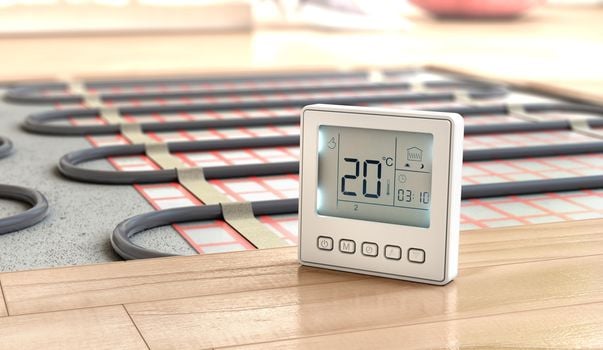
Underfloor heating involves warming a room by means of a network of pipes or electric heating elements installed beneath the floor (read through our Underfloor Heating Buying Guide for more information). It evenly distributes heat across the floor’s surface, radiating warmth upward. This type of heating system utilises two main technologies:
- Hydronic Systems: These use water flowing through pipes and are connected to your boiler or heat pump.
- Electric Systems: These consist of electric cables or mats.
How Radiators Work
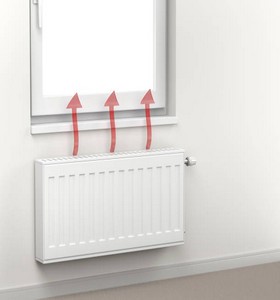
Radiators, on the other hand, are a more traditional heating method. They distribute heat by warming the air around them. Radiators are typically connected to a boiler that heats water and circulates it through the radiator units (more information can be found in our Buying Guide for Radiators). This process creates convection currents as warm air rises and cool air sinks to be reheated.
Advantages and Disadvantages of Underfloor Heating
Pros:
- Consistent Heat Distribution: Provides even warmth throughout the room without hot or cold spots.
- Unobtrusive Design: Completely hidden under the floor, freeing up wall space.
- Energy Efficiency: Operates at lower temperatures compared to radiators while maintaining the same comfort level.
- Improved Comfort: Warm floors, especially appreciated during winter.
Cons:
- Higher Installation Costs: Much more expensive to install, especially in existing homes.
- Longer Heating Time: It takes more time to warm a room thoroughly than radiators.
Advantages and Disadvantages of Radiators
Pros:
- Quick Heat Delivery: Heats rooms much faster than underfloor heating, ideal for sudden temperature drops.
- Lower Installation Costs: Easier and cheaper to install, particularly for retrofitting.
- Familiarity: This is already present in most homes, making this option less disruptive for upgrades.
Cons:
- Uneven Heat Distribution: Radiators can result in hot spots near the unit and cooler temperatures further away.
- Space Utilisation: Takes up wall space, limiting room design options.
- Dry Air: Heats air directly, which can lower indoor humidity and lead to dryness.
Energy Efficiency and Cost Comparison
Choosing a heating system isn’t just about comfort; it’s an essential financial and environmental decision, too.
Energy Efficiency
- Underfloor heating operates at lower temperatures (around 27–35°C), making it more energy-efficient in well-insulated homes. Hydronic systems work particularly well with modern, energy-efficient boilers or renewable technologies like heat pumps.
- Radiators, while effective, require higher water temperatures (60–75°C) and are less efficient in terms of energy use, especially in older, less insulated homes.
Cost Comparison
Installation Costs:
- Underfloor heating typically costs between £50 and £100 per square metre, depending on whether you’re installing hydronic or electric systems. Retrofitting underfloor heating in an existing home incurs additional costs.
- Radiators are significantly cheaper to install. Many of the Eastbrook Compact Radiators are less than £100 to buy.
Operational Costs:
- Underfloor heating, especially hydronic systems connected to a renewable heat source, tends to save money in the long term due to its higher efficiency.
- Radiators can be more costly to run in the long term, particularly in larger or poorly insulated homes that need consistent heating.
Comfort and Health Considerations
Comfort Levels
- Underfloor Heating provides unrivalled comfort by delivering warmth from the ground up. This eliminates the chill of cold floors, especially in spaces like bathrooms or kitchens.
- Radiators heat the air, which can make the room warmer near the radiator itself and cooler further away. This uneven heat distribution may not be as comfortable.
Health and Indoor Air Quality
- Underfloor Heating improves air quality by reducing dust circulation compared to radiators. There’s no forced draft of heated air, which can stir up allergens.
- Radiators can dry the air, which may worsen allergies or dry skin. They can also make it more challenging to maintain healthy indoor humidity levels.
Installation and Maintenance
Installation
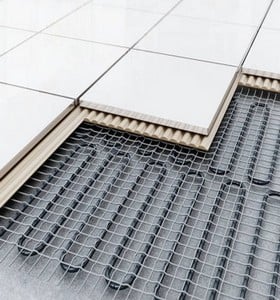
- Installing underfloor heating is more complex. It typically requires lifting the floor and installing insulating layers, the heating system, and a new floor covering. It’s often more practical and cost-effective during new builds or major renovations.
- Radiators are far more straightforward to fit and are often installed in a matter of hours.
Maintenance
- Underfloor heating systems, especially hydronic ones, require periodic maintenance, including checking the pipes and manifold system. However, electric systems have minimal upkeep.
- Radiators are low maintenance but might need occasional bleeding to remove trapped air and ensure efficient operation. Older radiator systems may require descaling.
Choosing the Right System for Your Needs
When it comes to choosing between underfloor heating and radiators, consider the following:
- Your Home Type: Underfloor heating is ideal for new builds or major renovations, while radiators are better for quick, low-cost upgrades.
- Room Sizes: Underfloor heating works exceptionally well in large, open spaces.
- Budget: If installation costs are a concern, radiators are the more affordable option.
- Your Lifestyle: Want warm floors in the morning? Underfloor heating might be worth the investment.
FAQs
What is cheaper to run, underfloor heating or radiators?
Underfloor heating is generally more energy-efficient and can lead to lower long-term energy bills, but it has higher installation costs. Radiators are cheaper to install and heat up quickly, making them less expensive in the short term. The best choice depends on your home’s insulation, budget, and personal preferences.
What is the downside of underfloor heating?
The downsides of underfloor heating include higher installation costs, especially in existing buildings, slower heating times compared to radiators, potential challenges with repairs since the system is beneath the floor and possible limitations on flooring choices due to compatibility issues. Additionally, it might not be as effective in poorly insulated homes.
Should I replace radiators with underfloor heating?
Consider replacing radiators with underfloor heating if you want energy efficiency and even heat distribution. Keep in mind the higher installation costs, slower heating times, and flooring compatibility. Assess your home’s insulation and heating needs to decide if it’s the right choice for you.
Which Heating System is Best For You?
Both underfloor heating and radiators have their strengths, depending on your priorities, home setup, and budget. While underfloor heating offers energy efficiency, comfort, and a modern aesthetic, radiators are affordable, quick to install, and more familiar to most households.