
 Low Online Discount Prices
 Fast Delivery
 Safe and Secure Online Checkout
Keeping your bathroom in top condition takes more than a quick wipe-down. Over time, the silicone sealant around your bath, shower, or basin can peel, crack, or turn black or grey as mould develops. This not only looks unpleasant but can also lead to water damage if the seal is compromised. If you notice dark spots on your silicone, it’s important to recognise the issue. Mould thrives in damp areas, and once it settles into sealant, it’s usually impossible to scrub away. For a deeper understanding, read our blog post on The Expert Guide to Removing Mould from Your Bathroom. In this guide, Showers to You explains the key steps on how to remove bathroom sealant and preparing your surfaces for a fresh application.
Tools and materials required
Before you begin, gather all the necessary equipment. Having everything within reach will make the process much smoother and ensure a professional finish.
Tools:
- Utility knife: A sharp blade is essential for the initial cut.
- Sealant remover tool: Designed to remove bathroom sealant without damaging surfaces.
- Mastic gun: Required if you are using a cartridge-based remover or for the new sealant.
- Plastic scraper: Useful for lifting the bulk of the old material.
- Cloths: You will need plenty of dry, clean rags.
- Protective gloves: Silicone and chemical removers can irritate the skin.
- Scrubbing brush or old toothbrush: For getting into tight crevices.
Materials:
- Sealant remover gel: A chemical solution that breaks down stubborn silicone.
- White spirit or rubbing alcohol: For cleaning the surface after removal.
- Bleach and water solution: To kill any remaining mould spores.
- Anti-mould waterproof sealant: Ensure you choose a high-quality product suitable for bathrooms.
How to Remove Bathroom Sealant
Removing sealant requires a steady hand and a methodical approach. Rushing this stage can lead to scratched baths or damaged tiles, so take your time.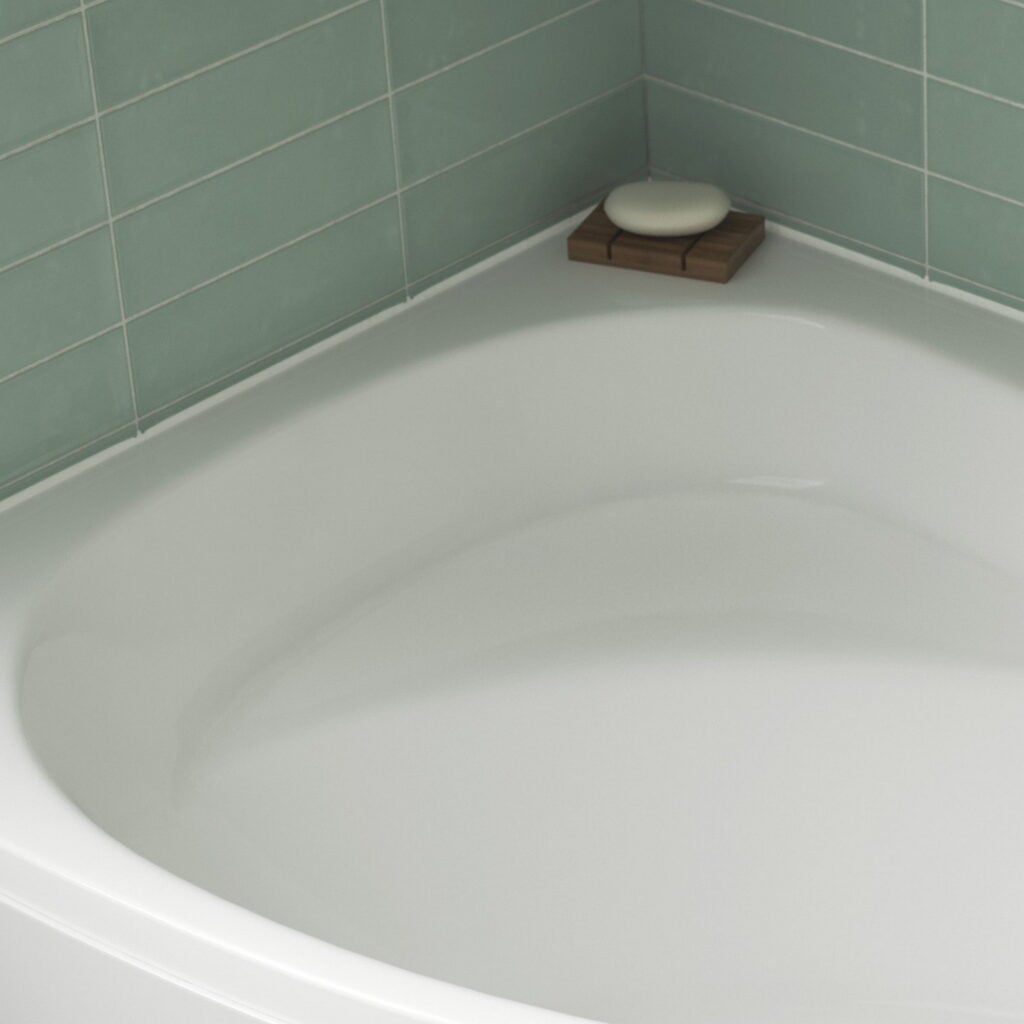
Preparation
Start by clearing the area completely. Remove all shampoos, soaps, and accessories from the bath or shower tray. You need a completely clear workspace to manoeuvre your tools effectively. Ensure the area is dry; if the old sealant is wet, it can be slippery and harder to grip.
Take a moment to inspect the area for obstacles. In a bathtub, you may encounter difficulties with the bath filler or taps. Identify these tricky spots now so you can plan how to angle your knife or tool when you reach them.
Cutting the old sealant
This is the part where care is paramount. Take your utility knife and extend the blade slightly. You want to cut along the top edge of the sealant (where it meets the wall) and the bottom edge (where it meets the bath or shower tray).
Apply gentle pressure. You are trying to separate the silicone from the surface, not slice into your acrylic bath or ceramic tiles. If you are working behind a tap and the knife does not fit comfortably, change your angle. You might find it easier to approach from underneath or over the top of the tap to get a better purchase on the sealant strip.
Once you have cut along both lengths, try to lift one end of the strip. If the seal has broken, you may be able to pull a long section away by hand.
How to Remove Bathroom Sealant Residue
Ideally, the old sealant will pull away in long strips, but this is rarely the case with aged or brittle silicone. You will likely be left with stubborn chunks and a thin film of residue. Here are three effective methods to tackle this:
Option 1: The mechanical approach
Use a dedicated sealant remover tool or a plastic scraper. These tools usually have an angled head designed to gouge out the silicone from the corner joint. Use short, firm strokes to push the sealant away from the surface. Avoid using metal scrapers on acrylic baths as they can easily scratch the finish.
Option 2: Sealant remover gel
For older, harder silicone, a chemical remover is highly effective. Apply the sealant remover gel liberally over the old silicone. You may need a mastic gun for this, depending on the product packaging. Read the manufacturer’s instructions, but typically you will need to leave the gel for several hours to break down the rubbery bonds. Once softened, it should scrape away easily with a plastic tool.
Option 3: White spirit
If you have small, stubborn pieces remaining, white spirit can help. Apply it to a cloth and rub the area vigorously, or dab it directly onto the silicone and let it sit for a few minutes. This can help dissolve the grip of the silicone, allowing you to wipe it away.
Cleaning the surface
Once the visible sealant is gone, you must ensure the surface is chemically clean. The new sealant will not adhere to old silicone residue, soap scum, or grease.
- Remove residue: Use rubbing alcohol (isopropyl alcohol) or white spirit on a clean cloth to wipe down the entire joint. This removes any invisible film that may have been left behind.
- Tackle mould spores: Even if the surface looks clean, mould spores can linger in the microscopic pores of grout or tile. Mix a solution of bleach and water, and scrub the area with an old toothbrush. This ensures you are not sealing active mould spores behind your new application.
- Rinse and dry: Thoroughly rinse the area with water to remove any remaining bleach or chemical residue. Finally, dry the area completely. We cannot overstate this: if the area is damp, the new sealant will fail to perform effectively. Use a hairdryer on a low heat setting to ensure every crevice is bone dry.
Applying new sealant
Now that you have a clean, sterile, and dry gap, you are ready to apply the fresh seal. This is the step that will define the look of your bath and ensure it remains watertight for years to come.
Insert your chosen tube of anti-mould silicone into the mastic gun. Trim the nozzle at a 45-degree angle; the size of the opening should roughly match the size of the gap you are filling. Place the nozzle in the corner and apply steady pressure to the trigger, moving the gun along the joint in one smooth, continuous motion.
Once the bead is applied, you need to profile it. You can use a specialised smoothing tool or a wet finger to smooth the sealant, ensuring it creates a neat slope that encourages water to run off.
For a comprehensive walkthrough on achieving the perfect finish, including expert tips on masking and profiling, read our blog post, “How to Seal a Bath Like a Pro.“
Frequently Asked Questions
Does WD-40 remove bathroom sealant?
WD-40 can help to soften old sealant, making it easier to scrape away. However, it is an oil-based lubricant. If you use it, you must be extremely thorough when cleaning the area afterwards. Any oily residue left behind will prevent the new sealant from sticking to the surface, rendering your waterproofing useless.
What dissolves waterproof silicone?
While white spirit can help soften it, dedicated silicone sealant remover gels are the most effective way to break down (digest) the silicone chemically. These gels are formulated to penetrate the rubbery matrix of the sealant, rendering it into a soft, easily removable material.
What if the sealant doesn’t come off easily?
Patience is key. If mechanical scraping is not working, apply a generous layer of sealant remover gel and cover it with plastic wrap to stop it from drying out. Leave it for the maximum time recommended by the manufacturer (sometimes up to 24 hours). This should soften even the most stubborn, aged silicone.
Can I use any type of silicone sealant remover?
No, not all removers are the same. Some harsh chemicals can damage acrylic baths, fibreglass shower trays, or natural stone tiles. Always check the label to ensure the remover is safe for your specific bathroom surfaces, thereby avoiding costly damage.
Enjoy your refreshed bathroom.
Removing old bathroom sealant is a task that requires some effort, but the results are immediate. By replacing mouldy, peeling silicone with a fresh, bright white line of waterproof sealant, you instantly improve the look of your bathroom. More importantly, you secure the area against water leaks and damp issues.
With the right preparation and the correct tools, you can achieve a professional standard finish that keeps your bathroom looking pristine.