
 Low Online Discount Prices
 Fast Delivery
 Safe and Secure Online Checkout
Designing a bathroom is an exciting project. Whether you are ripping out an old suite or starting fresh in a new build, the prospect of choosing tiles, taps, and tubs is thrilling. However, bathrooms are complex spaces. They need to deal with water, electricity, ventilation, and daily traffic, all while maintaining a stylish appearance. It is easy to get swept up in the aesthetics and overlook the practicalities. Unfortunately, these oversights often result in bathroom design mistakes that are costly to rectify or frustrating to live with. From damp issues caused by poor ventilation to layouts that make the room feel cramped, errors can turn a dream bathroom into a daily annoyance.
In this guide, Showers to You walks you through the most common pitfalls homeowners face and, more importantly, how to avoid them to create a functional, stylish bathroom.
1. Lack of Storage
One of the most frequent complaints about bathrooms is a lack of storage. A minimalist look is popular, but if you have nowhere to store your toiletries, cleaning products, and spare towels, your sleek surfaces will soon be cluttered.
If you have a small bathroom, you need to be clever with every inch of space. Consider utilising ‘dead space‘ such as the area under the bath. Removable bath panels can hide cleaning supplies out of sight. Alcoves are another underutilised asset; fitting shelves here provides a convenient space for towels without encroaching on floor space.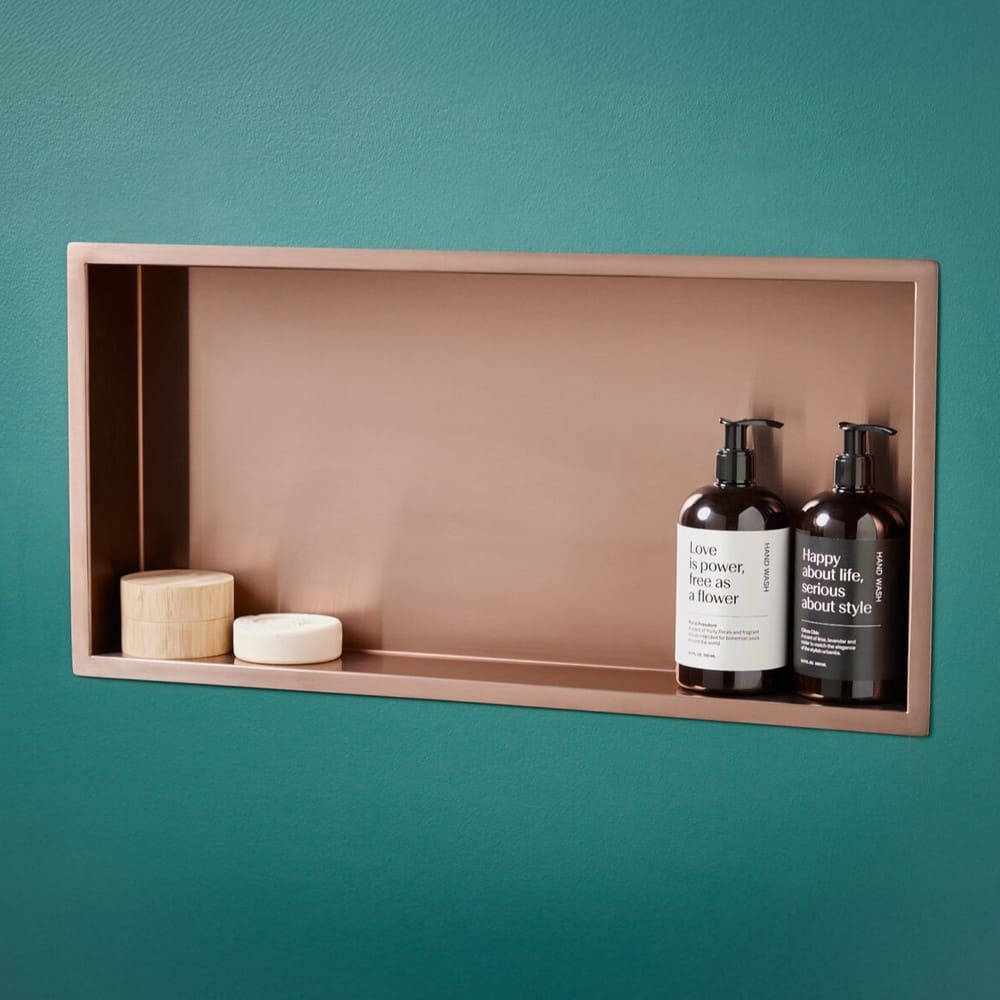
For a modern solution inside the shower, consider installing a shower niche. These recessed shelves are perfect for holding shampoos and soaps without the need for protruding wire baskets. Additionally, utilising the space above the door for shelving is a smart way to store items you don’t use every day.
Ultimately, investing in purpose-built bathroom furniture, such as vanity units or tall cabinets, is the most effective way to keep your surfaces clear and your bathroom organised.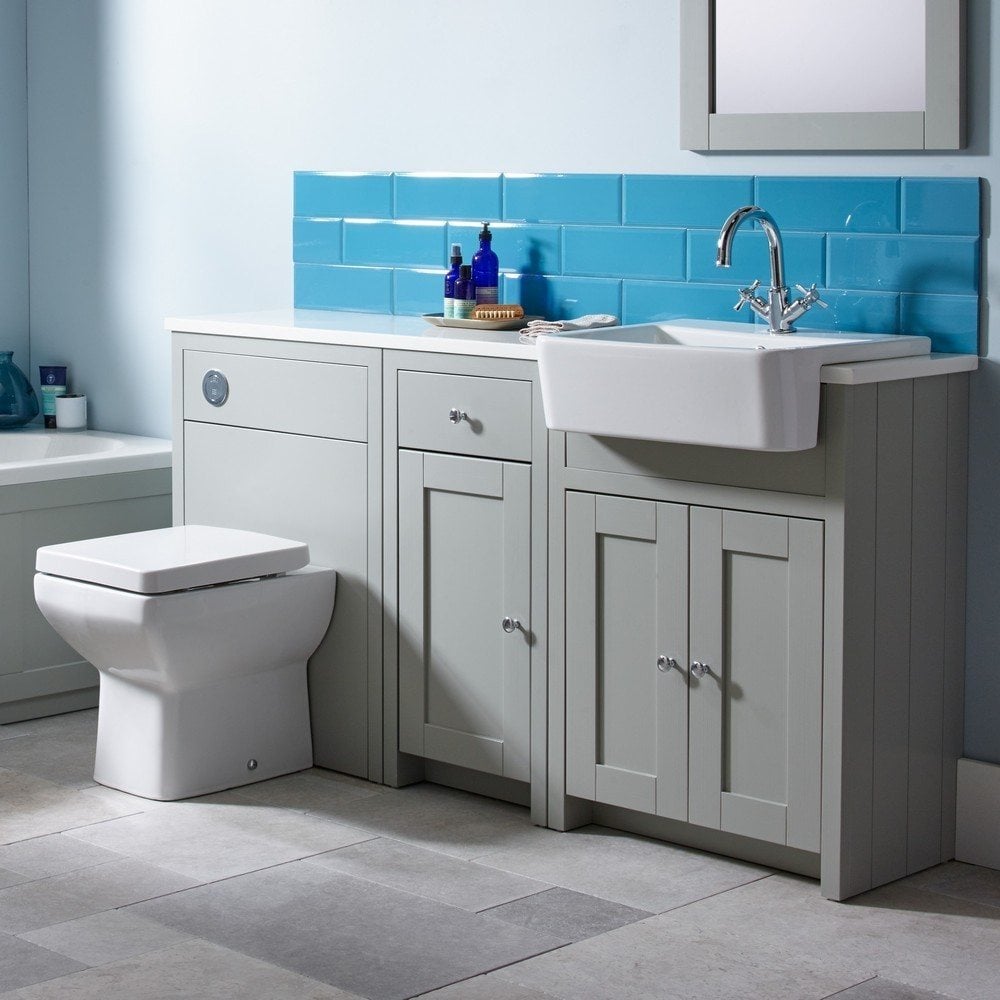
2. Poor Planning
Jumping straight into buying fixtures without a solid plan is a recipe for disaster. Bathroom design mistakes often stem from failing to map out exactly where everything will go.
Before you purchase a single item, measure your bathroom accurately. Note the position of windows, doors, and existing waste pipes. Consulting with a bathroom design expert or a professional fitter can provide clarity. They can spot potential issues—like a door hitting the toilet or insufficient clearance for a shower door—that you might miss. Additionally, resources like this guide on choosing the right shower enclosure size and this article on picking the perfect bath size can help you make informed decisions.
3. Ignoring Ceiling Height
When planning your bathroom, the floor area is not the only dimension that matters. Ignoring ceiling height can limit your choices, particularly for showers.
Standard shower enclosures and glass panels come in set heights. For example, Scudo S6 Shower Enclosures have a height of 1850mm. If you have low ceilings, beams, or eaves in a loft conversion, a standard unit might not fit. Conversely, in rooms with very high ceilings, standard tiling heights might look disjointed. Always check the specifications of shower enclosures against your room’s vertical dimensions to ensure you order products that will fit properly.
4. Failing to Create Illusions of Space
Small bathrooms can feel claustrophobic if they are not designed properly. However, with the right tricks, you can make even the tiniest cloakroom feel airy.
Avoid heavy, dark furniture that absorbs light. Instead, opt for wall-hung basin units and toilets. By keeping the floor visible underneath the furniture, the room’s footprint appears larger. Large mirrors are another essential tool; they reflect light and trick the eye into thinking the space is double its size. Using glossy tiles can also help bounce light around the room, further enhancing the sense of space.
5. Inadequate Lighting
Lighting is often an afterthought, but in a bathroom, it is critical. Relying on a single central ceiling light usually results in shadows exactly where you don’t want them—over the basin where you shave or apply makeup.
Layer your bathroom lighting to cover different needs. You need bright, practical task lighting around the mirror, but you might want softer, ambient lighting for a relaxing bath. In small bathrooms with limited natural light, good artificial lighting is even more vital to prevent the room from feeling dingy.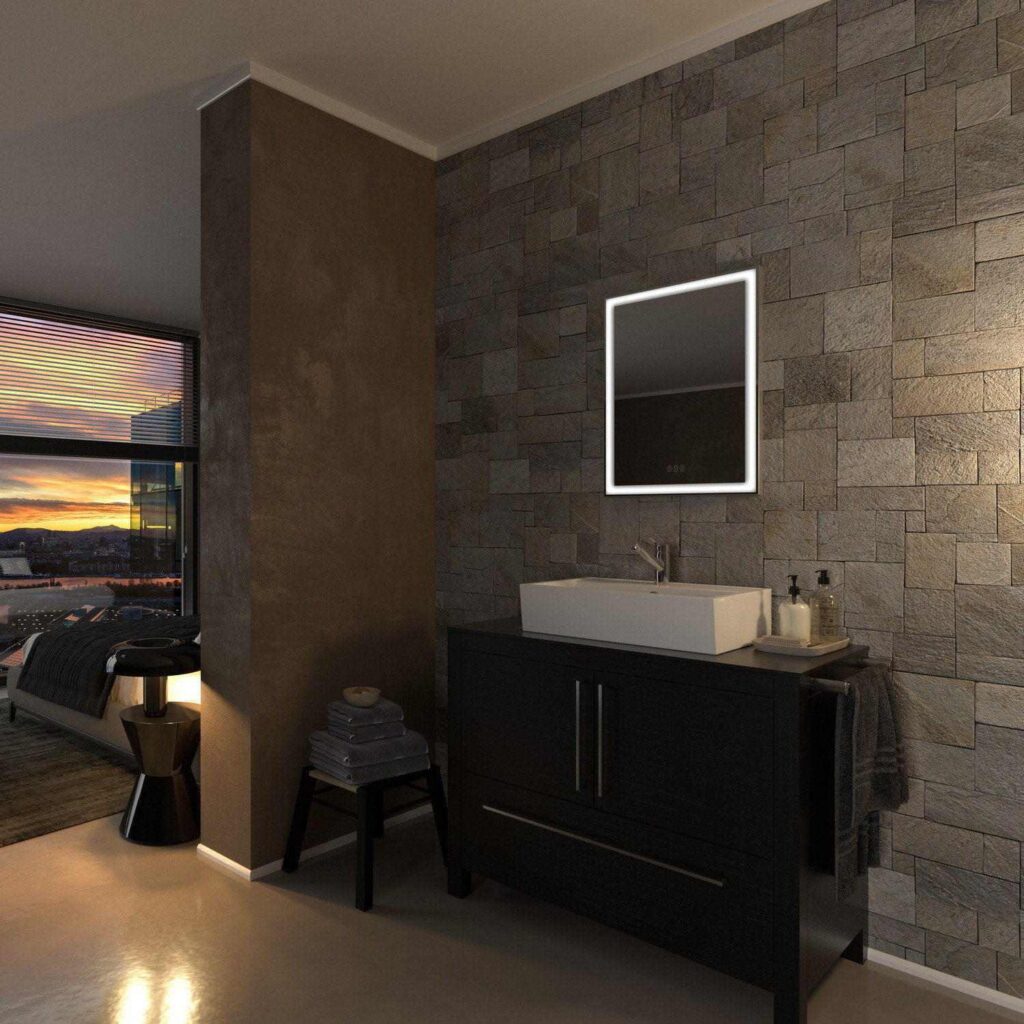
6. DIY Disasters
We all love to save money, but plumbing and tiling are skilled trades that require expertise. Attempting complex bathroom installations without the necessary skills can lead to leaks, uneven tiling, and electrical hazards.
Knowing when to hire a professional is crucial for avoiding costly bathroom design mistakes. If you are moving plumbing, dealing with electrics in wet zones, or tiling a wet room, the cost of a professional fitter is an investment in peace of mind. Fixing a DIY disaster often costs more than hiring a pro in the first place.
7. Recreating Social Media Styles Blindly
Pinterest and Instagram are fantastic for inspiration, but copying a look directly can be problematic. A dark, moody bathroom that looks stunning in a professionally lit photo might look like a cave in a small, north-facing room with one window.
Consider your specific bathroom. Does it have the natural light to support dark walls? Is it big enough for a freestanding bath, or will that leave you with impossible-to-clean corners? Adapt the trends you love to suit the reality of your home rather than trying to force a look that doesn’t fit.
8. Budget Oversights
Bathrooms can be expensive. A common mistake is spending the bulk of the budget on costly tiles or a statement bath, leaving little for the unseen essentials, such as waste pipes, waterproofing, and labour.
Fix your budget before you start planning. Research the costs of installation, as well as the costs of the products themselves. For a clearer understanding of costs, refer to our guides on the cost of a shower enclosure and the cost of a bath. Allocating a contingency fund for unexpected issues (like finding rot under the floorboards) is also a wise move.
9. Improper Shower Location
Ideally, you want to avoid placing a shower directly next to a window. Water splashing against a windowsill can lead to rot and damp issues over time, as timber frames and standard sills aren’t designed to withstand constant soaking.
If you have no choice but to position the shower near a window, ensure the window is fully waterproofed, perhaps by using uPVC frames and tiling into the reveal. Consider installing privacy glass or a waterproof blind for added privacy and protection.
10. Forgetting Underfloor Heating
Stepping out of a warm shower onto icy cold tiles is a shock to the system. In the UK, where winters are long, a cold tiled floor can make the bathroom unappealing.
Many homeowners regret not installing underfloor heating. It is an efficient way to heat the room, frees up wall space by eliminating the need for a large radiator, and helps wet floors dry more quickly. It is much easier to install during the renovation than to retrofit later.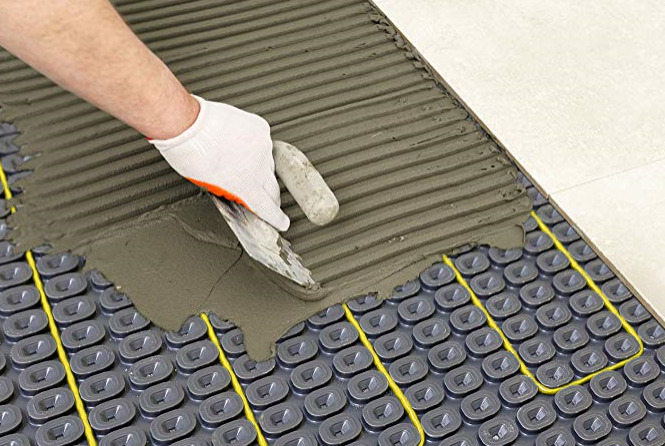
11. Inadequate Shower Lighting
We mentioned general lighting earlier, but shower enclosures are often neglected specifically. A shower curtain or a glass door can block light from the central fixture, leaving you showering in the gloom.
Install specific IP-rated downlights directly above the shower area. This ensures the space is bright and safe, making your morning routine much more pleasant.
12. Choosing a Small Sink
In an effort to conserve space, many people opt for the smallest basin possible. While this works in a tiny downstairs toilet, a miniature sink in a main family bathroom is impractical.
A sink that is too small leads to water splashing onto the floor every time you wash your face or brush your teeth. If you have the space, opt for a basin with a suitable depth and width. If space is tight, look for a ‘projection‘ basin that extends further from the wall, rather than a tiny cloakroom version.
13. Using White Grout on Floors
White grout appears crisp and clean when first applied. However, on a bathroom floor, it is one of the classic design mistakes in bathrooms.
Floor grout is subjected to dirt, dust, and foot traffic. White grout will quickly turn grey and appear dirty, regardless of how much you scrub it. Opting for a darker grey or charcoal grout for floor tiles is a practical choice that keeps your bathroom looking cleaner for longer.
14. Using the Wrong Paint
Standard emulsion paint is not designed for the humid environment of a bathroom. It can peel, flake, and attract mould. Always use moisture-resistant bathroom paint. These paints are formulated to withstand steam and can be easily wiped down. It is a small detail that makes a huge difference to the longevity of your décor.
Avoiding Bathroom Design Mistakes
By avoiding these common bathroom design mistakes, you can ensure your renovation project runs smoothly and results in a space that works for you. From providing you have adequate storage and lighting to double-checking your measurements, careful planning is the key to success.
Take your time, set a realistic budget, and don’t hesitate to seek professional advice. A well-designed bathroom not only adds value to your home but also brings a touch of luxury to your daily routine.