
 Low Online Discount Prices
 Fast Delivery
 Safe and Secure Online Checkout
Learning how to drain a radiator is an essential maintenance task that every homeowner should know how to perform safely. Whether you’re removing sludge buildup, relocating your radiator, or preparing for a complete replacement, proper drainage ensures your heating system continues working efficiently while protecting your property from potential water damage.
Safety must be your top priority when working with central heating systems. Hot water and pressurised systems can cause serious burns and property damage if handled incorrectly. This comprehensive guide from Showers to You walks you through the entire process, from initial preparation to final cleanup.
Essential Safety Precautions
Before starting any work on your radiator, these safety measures are non-negotiable:
Turn off your central heating system and allow the water to cool completely. Hot radiator water can cause severe burns, so patience here prevents potential injury.
Protect your flooring with old towels and waterproof sheets. Even small amounts of radiator water can stain carpets and damage wooden floors permanently.
Wear protective gloves throughout the process. Radiator water often contains chemicals and debris that can irritate skin and cause contamination.
Keep buckets ready to collect water and prevent flooding. Position containers strategically to catch every drop.
Dispose of drained water properly, particularly if it contains sludge or chemical inhibitors. Check local guidelines for safe disposal methods.
Tools and Materials Required
Gather these items before beginning your radiator drainage:
- Shallow buckets or containers (a minimum)
- Old towels and protective sheets
- Pliers or adjustable grips
- Adjustable spanner
- Radiator bleed key
- Protective gloves
- Notepad and pen (for recording valve positions)
Step-by-Step Guide on How to Drain a Radiator
Step 1: Turn Off the Central Heating and Cool Down
Switch off your central heating system completely. Allow at least one hour for the radiator and water to cool to room temperature. This cooling period is crucial for preventing burns from scalding water.
Step 2: Isolate the Radiator
Locate the two valves on your radiator:
- Thermostatic radiator valve (TRV): Usually on the left side with numbered settings
- Lockshield valve: Typically on the right side, covered with a plastic cap
Turn off the TRV by rotating it clockwise to the zero position. For the lockshield valve, remove the plastic cap and use your adjustable spanner to turn it clockwise. Count and record the number of turns required to close it completely – you’ll need this information when reopening the valve later.
If you need to change the radiator valve, why not check out our blog post on How to Change a Radiator Valve.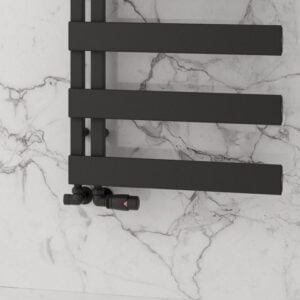
Step 3: Prepare Your Work Area
Position old towels beneath both radiator connections. Place shallow buckets or containers on the towels to catch the draining water. This preparation prevents mess and protects your flooring from water damage.
Step 4: Open the Bleed Valve
Using your radiator bleed key and a cloth to catch any water, slowly turn the bleed valve anti-clockwise. You’ll hear air escaping – this is normal. Opening the bleed valve allows air to enter the radiator, which speeds up the drainage process.
Learn how to bleed a Radiator with our easy-to-follow guide
Step 5: Loosen the Lockshield Valve Nut
Using your adjustable spanner, carefully loosen the nut connecting the lockshield valve to the radiator. Water will begin flowing into your bucket. Open the bleed valve further to increase water flow by allowing more air into the system.
Step 6: Lift and Tilt the Radiator
Once water flow stops, you can completely drain any remaining water. Carefully lift one end of the radiator (ask for assistance with heavy radiators) to tilt it towards your drainage bucket. This action removes water that settles at the bottom of the radiator.
How to Drain a Radiator with a Drain Valve
Some heating systems include dedicated drain valves, which simplify the drainage process:
- Turn off your central heating system
- Locate the drain valve (usually on one radiator, positioned at the bottom corner)
- Attach a hosepipe to the drain valve using appropriate clips
- Direct the other end of the hosepipe to a suitable drainage point
- Open the drain valve and allow water to flow through the hosepipe
- Open bleed valves on other radiators to speed up the drainage process
Why Drain Radiators?
Regular radiator maintenance, including drainage, provides several important benefits:
Remove sludge buildup that restricts water flow and reduces heating efficiency. Dark, murky water indicates significant sludge accumulation that requires attention.
Prepare for radiator replacement when upgrading your heating system or installing more efficient models.
Facilitate radiator relocation during bathroom renovations or room layout changes.
Perform routine maintenance to extend your heating system’s lifespan and maintain optimal performance. For comprehensive heating system maintenance, read our guide on How to Balance Radiators.
Address heating problems such as cold spots or uneven heat distribution throughout your property.
Professional Installation and Replacement
Successfully draining your radiator opens up opportunities for system improvements. Whether you’re planning a complete bathroom renovation or simply want more efficient heating, professional installation ensures optimal performance.
Consider upgrading to modern, energy-efficient radiators that complement your interior design whilst providing superior heat output. Contemporary radiator designs offer both practical heating solutions and stylish focal points for any room.
Regular Maintenance Keeps Your System Running
Draining your radiator is just one aspect of comprehensive heating system maintenance. Regular attention to your radiators prevents costly repairs, improves energy efficiency, and ensures consistent warmth throughout your home.
Annual maintenance schedules should include bleeding radiators, checking for leaks, and monitoring heating performance. Address issues promptly to prevent minor problems from becoming expensive repairs.
Ready to upgrade your heating system? Browse our extensive collection of high-quality radiators, designed for durability and efficient performance. Our expert team provides technical support and installation advice to help you make the right choice for your home.
Browse Radiator Replacement Options and discover modern and traditional heating solutions.