
 Low Online Discount Prices
 Fast Delivery
 Safe and Secure Online Checkout
Choosing the right radiator valve for your radiator might seem like a small detail, but it plays a crucial role in the efficiency and appearance of your heating system. Whether you are installing a new heated towel rail or updating an existing radiator, understanding the different types of radiator valves available is essential for a successful installation. From manual valves that offer simple control to thermostatic options that regulate temperature automatically, the right choice ensures your home stays comfortable while potentially saving on energy costs. This guide from Showers to You explores the various options, helping you identify which valve best suits your plumbing, radiator style, and heating requirements.
Types of Radiator Valves
When selecting types of radiator valves, you typically choose between three main categories based on their operation: manual, thermostatic, and smart valves. Each offers a different level of control over your home heating.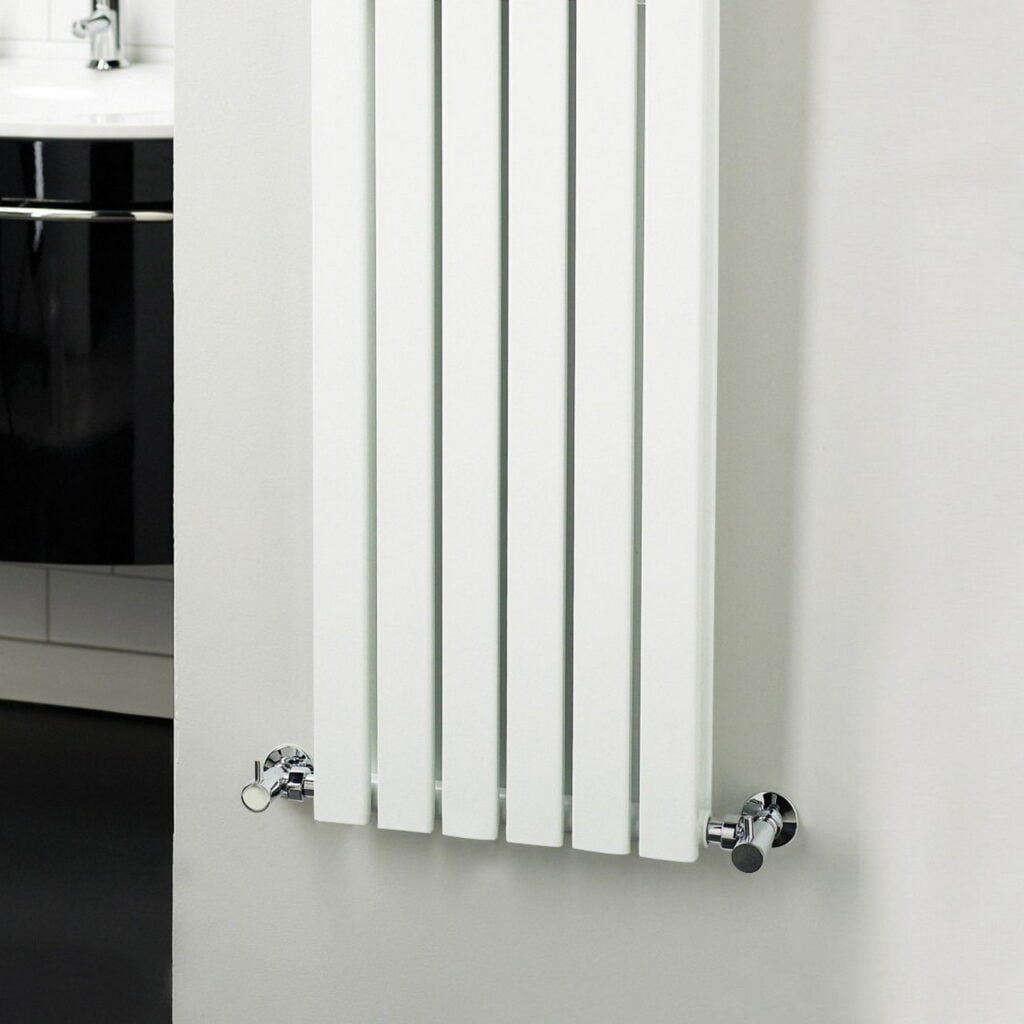
Manual Radiator Valves
Manual radiator valves are the most traditional and straightforward option available. They function much like a standard tap; you simply turn the valve to allow hot water into the radiator or close it to stop the flow. While they are often more affordable and simple to use, they do not self-regulate. This means your radiator will continue to heat up, regardless of the room’s temperature, until you physically turn the valve down or the central heating system turns off. Manual radiator valves are ideal for bathrooms or rooms with a thermostat, as they ensure the radiator stays on to heat towels or the space effectively.
Thermostatic Radiator Valves (TRVs)
Thermostatic Radiator Valves (TRVs) provide greater control over individual room temperatures, making them a popular choice for modern homes. Inside the valve head is a sensor—usually containing wax or liquid—that expands as the room heats up and contracts as it cools down. This mechanism automatically adjusts the flow of hot water into the radiator to maintain your desired temperature. By preventing rooms from overheating, Thermostatic Radiator Valves can help reduce energy consumption and save money on heating bills. They are ideal for living rooms, bedrooms, and kitchens where temperature needs fluctuate throughout the day.
Smart Radiator Valves
For those looking to integrate technology into their home heating, smart radiator valves offer the ultimate convenience. These valves work similarly to TRVs, but you can control them remotely through a smartphone app or a central smart home hub. This allows you to set schedules, adjust temperatures from anywhere, and even monitor energy usage room by room. While they represent a higher initial investment, the ability to zone your heating and ensure you are only heating rooms when necessary offers significant long-term benefits.
Valve Shapes: Angled, Straight, and Corner
Once you have decided on the operation type, you must choose the correct shape based on your pipework. This ensures a neat installation and proper connection.
Angled Radiator Valves
Angled radiator valves are the most common shape found in homes in the UK. They connect the radiator to the pipework at a 90-degree angle. You will typically need angled valves if your pipes come out of the floor and connect to the side of the radiator, or if pipes come out of the wall and connect to the bottom of the radiator. They are versatile and available in many styles to suit both modern and traditional decor.
Straight Radiator Valves
As the name suggests, Straight radiator valves have no bends and allow water to flow straight through. These are generally used when pipework runs along the wall directly into the radiator or when pipes come up from the floor to connect to the bottom of a heated towel rail. Ensuring a direct line between the pipe and the valve is key for this type.
Corner Radiator Valves
Corner radiator valves are often chosen for aesthetic reasons, particularly when pipes emerge from the wall. They act similarly to angled valves, but their design faces inward, parallel to the wall, rather than protruding outward. This can prevent the valve head from protruding into the room, reducing the risk of accidental knocks and providing a neater finish.
Common Problems
Like any plumbing component, radiator valves can experience issues over time. Leaks, stuck pins in TRVs, or valves that refuse to turn are common occurrences. Regular maintenance, such as turning valves every few months (even in summer), can prevent them from seizing. If you are experiencing issues with heat distribution or leaks, it is worth checking our guide on common problems with radiator valves to troubleshoot effectively.
Components of Radiator Valves
A standard radiator setup consists of two distinct valves, each serving a specific function to balance and control the system.
Control Valve (Wheelhead Valve)
The control valve, often referred to as the wheelhead valve, is the part you interact with to adjust the temperature. This is the manual, thermostatic, or smart valve discussed earlier. It controls the amount of water entering the radiator, directly influencing how hot the radiator gets.
Lockshield Valve
Opposite the radiator is the lockshield valve. A plastic cap usually covers this valve, and it isn’t meant for daily adjustment. Its primary purpose is to balance the radiator within the central heating system. By adjusting the lockshield, you ensure that the water flows evenly through all radiators in the house, rather than just the ones closest to the boiler. Proper balancing of radiators ensures efficient heating throughout your home.
Changing a Valve
Replacing an old or faulty valve is a manageable task for a competent DIYer, though it requires draining the radiator. It involves turning off the heating system, draining the water from the specific radiator, removing the old valve nuts and olives, and fitting the new component with plenty of PTFE tape to ensure a watertight seal. For a detailed step-by-step guide, read our article on how to change a radiator valve.
Frequently Asked Questions
How do I know which radiator valves I need?
To determine the correct valve, look at your pipework and radiator inlets. When pipes come from the floor to the side inlets, use angled valves. If pipes come from the floor to the bottom inlets (common on heated towel rails), use straight valves. If pipes come from the wall, you can use angled or corner valves, depending on the desired look.
Do all radiator valves fit all radiators?
Most modern radiators and valves in the UK use a standard 15mm pipe connection size (1/2 inch BSP thread). However, you should always check the specifications, especially for older systems or imported radiators, as pipe sizes can vary (e.g., 10mm or 8mm microbore).
Which valve should be turned off for a bathroom radiator?
To turn off a towel radiator, simply twist the manual or thermostatic valve clockwise until it is fully closed. This will turn your bathroom radiator or heated towel rail off.
What is the difference between manual and lockshield valves?
A manual valve is designed to allow you to easily turn the heating up or down for that specific radiator. A lockshield valve is designed to be set once during installation or balancing to control the flow rate of water leaving the radiator. It usually has a cap to prevent accidental adjustment.
Selecting the Perfect Valve for Your Bathroom
Selecting the right valve involves more than just picking a style. It requires understanding your heating system’s layout and your personal temperature preferences. By considering the different types of radiator valves, checking the direction of your pipework, and deciding between manual and thermostatic control, you can ensure an efficient and stylish heating setup.