
 Low Online Discount Prices
 Fast Delivery
 Safe and Secure Online Checkout
You might want to remove a radiator to paint your walls. Perhaps you need to fix a leak behind it. Or maybe you are replacing an old unit. Do not worry about calling a professional. You can safely remove a radiator yourself. It is a very simple DIY task. You just need the right guidance. This guide from Showers to You shows you exactly what to do.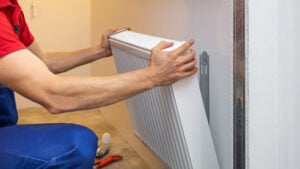
Preparation is Key
Good preparation makes the job much easier. You must get everything ready before you start. This prevents a massive mess on your floors.
Gather Your Tools
You need a few basic things to begin. Grab an adjustable spanner and a bleed key. Find a small bucket to catch the water. You also need some protective sheets or old towels. These keep your floors completely dry.
Safety First
You must put safety above everything else. Turn off your central heating system first. Let the whole system cool down completely. Working with hot water is very dangerous. You should wear gloves and old clothes. This helps protect your skin from dirty water.
Isolating the Radiator
Next, you need to isolate the unit. Find the thermostatic radiator valve, or TRV. Turn this dial to the zero position. Then, look for the lockshield valve opposite it. Take off the plastic cap covering it. Use your adjustable spanner to turn it clockwise. Count the exact number of turns. You will need this number later.
The Removal Process
Now you are ready for the main event. You will finally remove a radiator from the wall. Take your time to avoid spills.
Draining the Radiator
Place your bucket under the TRV valve. Put towels down to protect your floor. Use your spanner to grip the valve body. Use another spanner to loosen the joining nut. Do this very slowly. Water will start dripping into your bucket. Open the bleed valve at the top. This lets air in and speeds up the flow.
If you want more details on this step, we can help. Check our guide on How to Safely Drain a Radiator.
Disconnecting the Radiator
Wait until the water stops flowing completely. Then, loosen the valve nuts on both sides. Gently tilt the unit to empty any remaining water. Keep your bucket close by. Dirty water can stain carpets quickly.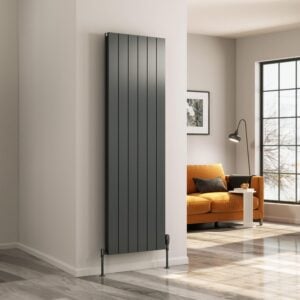
Lifting and Moving
Radiators are incredibly heavy when full of sludge. Always ask a friend to help you lift it. Lift it straight up and off the brackets. Carry it outside or lay it flat. Keep it on a protective sheet.
Sealing Pipework
You might leave the unit off for a while. If so, you should cap the exposed pipes. Use a proper stop end or cap on the valves. This stops any unexpected leaks. It keeps your floors totally safe.
Post-Removal Considerations
The job is not over once the unit is off. You have to think about the heating system. Here is what you need to do next.
Can You Use Central Heating Without It?
Many people ask if their heating will still work. The simple answer is yes. You can remove a radiator and keep the heating on. Just ensure the isolated valves are completely secure. Check them for any drips.
System Pressure and Refilling
Taking a unit off lowers your system pressure. You need to check your boiler gauge. Top up the pressure using the filling loop.
After replacing the unit, you will need to bleed it. Read our post on How to Bleed a Radiator. This helps remove trapped air.
If some rooms feel colder, your system needs adjusting. Read our article on How to Balance Radiators. This ensures even heat everywhere.
Storage and Reinstallation
Store the old unit safely out of the way. Keep it upright to stop sludge from leaking out. When you reinstall it, reverse the removal steps. Open the valves using the exact turns you counted earlier.
Are you looking for an upgrade? Consider the Scudo Life 1200 x 450mm Towel Radiator in Anthracite. It boasts great five-star feedback from buyers.
Another superb option is the Scudo Vibe 1200 x 500mm Towel Radiator in Brushed Bronze. One reviewer said: “Usual good quality from Scudo at a fraction of the cost compared to others. Matches up well with crosswater.”
For a shiny finish, try the Reina Capo 1000 x 400mm Chrome Curved Heated Towel Rail. A five-star review notes: “Arrived quickly and looks good and works well.”
Or, try the Reina Loco 1800 x 375mm Vertical White Double Aluminium Radiator. A happy customer said, “Great purchase, had not seen this reversible design radiator anywhere else. Fitted and working now, looks great, just need some colder weather.”
FAQs
Can I remove a radiator without draining the entire system?
Yes, absolutely. By shutting the valves, you isolate the water. You only drain water from that specific unit.
Do I need a plumber to remove a radiator?
No, you do not need a plumber. Any confident DIYer can safely remove a radiator. Just follow all the steps carefully.
How many radiators can I remove before affecting the system?
You can remove several units at once. However, your boiler pressure will drop significantly. You must keep checking the system pressure gauge.
Can you remove a radiator yourself?
Yes, you can easily remove a radiator yourself. Make sure you have the right tools. Always ask someone to help lift heavy units.
Can you just lift a radiator off the wall?
No, you cannot just lift it off. You must turn off the valves first. Then you must drain all the water out.
Can you just cap off a radiator?
Yes, you can remove a radiator and cap the pipes. This is great for permanent removals. It stops any accidental leaks later.
Can you remove a radiator and still use central heating?
Yes, you can as long as the remaining valves are tightly closed. Your heating system will bypass the removed unit.
Conclusion
It is easy to remove a radiator. You do not need expensive tools or need a professional plumber. You can easily remove a radiator for decorating or to fix simple leaks. Or you can remove a radiator to upgrade it. Just prepare well and work slowly. Take your time to drain the water properly. Keep your floors covered and stay safe. Why not tackle this simple project yourself this weekend?